

Topic: dementia

We humans are hardwired to routine. We like things to be predictable. Change IS hard. And change is harder as we age.
During the COVID-19 pandemic we’ve learned a lot about change. It is inevitable. Our brains can quickly go on overload when the world is evolving at such a rapid pace. We’ve had to change too many things at once. It’s difficult. Uncomfortable. …

Having concerns about a loved one’s well-being, especially when they are older, is normal. Have you noticed some changes? Is there something that seems off or unusual, perhaps atypical to your loved one’s usual demeanor, behavior, or personality?
Changes and adjustments are normal for all of us during our lifespan, but sometimes they warrant a closer look. Striking the right balance between fostering independence, respecting autonomy, and ensuring safety can be a struggle for those of us who are part of an older adult’s life. …
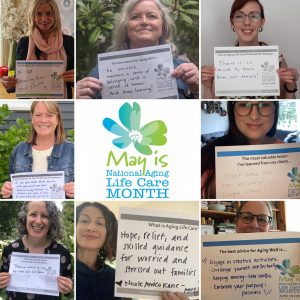
At Aging Wisdom we are guided by a set of values that are naturally woven into our company culture and our work as Aging Life Care Professionals: Integrity. Professionalism. Compassion. Collaboration. Service to our clients and our community.
While each value is precious and essential, it is often through Collaboration that we experience incredible serendipity and magic. It starts with our team and it’s the foundation of our teamwork approach to supporting and guiding clients. …
Collaboration Enhances Aging Life Care and “Communities of Strength”Read More »
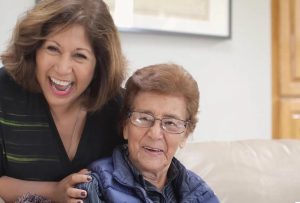
Overwhelmed by the choices and decisions involved with caring for an older loved one? Hit with an emergency or crisis situation and not sure where to start? Or do you want to plan for your own aging and make your own decisions?
No matter your individual situation or preferences, Aging Life Care Professionals™ offer a client-centered approach to guide individuals and families to actions and decisions that focus on well-being and the best care choices for your situation. …

This year the holidays and holiday gatherings will look a bit different for most of us, given the pandemic. Experts advise us to stay home and celebrate only with those in our household.
In our experience as Aging Life Care Professionals, the holidays are typically when families have an opportunity to spend more time together and may notice changes in an older loved one that are worrisome. This year, since many of us will gather virtually, you may still notice changes, though you may want to dismiss them. If you see uncharacteristic behavior, and lifestyle changes and routines, please don’t ignore them. …
“Home” for the Holidays? Signs Your Older Loved Ones May Need HelpRead More »

Judy had an emergency hip replacement after a fall. She needs to be discharged tomorrow to a skilled nursing facility. She needs several weeks of intensive physical therapy to be able to walk again. Then she may need to live in assisted living.
The discharge planner has a list of options. Judy and her daughter, who lives an hour away, don’t know how to make a wise choice.
…
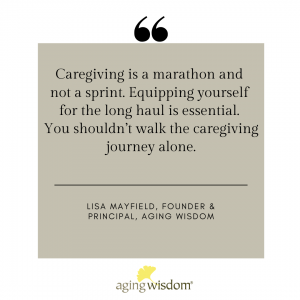
November is National Family Caregivers Month and National Alzheimer’s Disease Awareness Month
These observances help raise awareness about the challenges of caregiving for families, especially Alzheimer’s caregiving, as well as increase support for and educate caregivers and their communities. The current COVID-19 pandemic has also presented new realities and stresses.
…

In the U.S., more than 5.8 million people age 65+ are living with Alzheimer’s disease and over 16 million provide unpaid care for people living with Alzheimer’s and other dementias.
Aging Life Care Professionals regularly work with clients living with Alzheimer’s and other dementias, and, as part of our membership with the Aging Life Care Association, we continue to educate ourselves to remain experts in aging well.
…
Advancing the Science: The Latest Discoveries in Alzheimer’s and Dementia ResearchRead More »

While “aging in place” has its benefits, such individualized care can be expensive. Additionally, it can be isolating. Senior housing and long-term care options require a move but are more social and can be cost effective. …
- « Previous
- 1
- …
- 3
- 4
- 5