

Discovering that your identity has been stolen is scary: someone has violated your privacy and security! Identity theft occurs when someone uses your personal information, such as your Social Security number, credit card, bank account, or driver’s license, to commit fraud or steal money in your name. Many people don’t realize they’ve been victimized until they notice unfamiliar charges, new accounts, or other signs of fraud. …

Joy and happiness are similar and valuable, but there are some important distinctions. Happiness tends to be momentary when something happens TO us. Perhaps we attend a concert, or someone brings us flowers. These are events that happen around us that bring us a temporary feeling we define as happiness. These moments are wonderful but different to joy.
Joy is a deeper feeling of purpose and connection. Joy is a sustained state that can carry on even through sorrow or difficult times. …
“The right to vote is one of the most sacred privileges in a representative democracy and it should be available to all citizens, whether they are cognitively impaired or unimpaired.” ~ American Bar Association Committee on Law and Aging
November 3, 2026, is General Election Day. According to the Washington State’s Secretary of State Office, ballots were mailed out by county election offices no later than October 16 (18 days prior to election day) and Accessible Voting Units (AVUs) are available at voting centers. October 26 is the deadline to register to vote or update your address online. Deposit your ballot in an official drop box by 8 p.m. on Election Day.
Please note: you may also register and vote in person at a county voting center through election day. For information about elections in Washington State, visit the Washington State Secretary of State website page HERE.
Whenever an opportunity to vote is on the horizon, our team often fields questions from family members and other client supports regarding voting when the person in our mutual care is living with a cognitive impairment. …
The Right to Vote and Cognitive Impairment (updated*)Read More »

Are you worried about an older adult in your life? Have you wondered if they would be safer living at a retirement community? Is this something you’ve suggested, only to be told “I will never move!”
I suspect you have tried to have a dialogue about your concerns, and it went nowhere. If you feel like you are banging your head against a wall or are finding yourself completely overwhelmed trying to juggle your work, kids, other responsibilities, while trying to assist your parents, you are not alone!
When we see changes in our parents or other older adults in our lives, it’s usually a sign that something has shifted. …
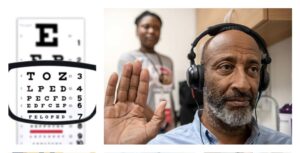
This is the second article in a series that explores the 14 modifiable lifestyle factors identified by the Lancet Commission that could reduce your risk of dementia. Click here to read about how physical activity benefits your brain (and heart).
Two frequently overlooked conditions – vision loss and hearing loss – are risk factors for dementia that are common, easy to screen for, and potentially treatable. …

Medicare has a number of options. Understanding what each covers can help you plan with more confidence. Even if you feel healthy and active today, your Medicare choices still shape your future healthcare expenses, your care choices, and where you may want to age. Learn the basics to have a clearer picture of what is included and what you may need to plan for on your own.
Medicare is made up of several “parts.” Each part covers a specific type of care. …

Editor’s Note: We use pseudonyms and other narrative elements in our stories and case examples to safeguard the identities and privacy of our clients.
Dementia impairs cognitive functions like memory, reasoning, and emotional regulation. These brain changes can cause anxiety in a person living with Alzheimer’s or another dementia who is struggling to understand their world.
Recognizing and soothing anxiety in someone living with dementia requires a compassionate, patient, and individualized approach. Calming the nervous system involves moving the body from fight, flight, and freeze responses into a state where breathing and heart rate is regulated and the nervous system calms down.
Creative Engagement Specialists (CES) are knowledgeable and experienced in anxiety-calming activities which support a decrease in anxiousness and an increase in joy and well-being. …
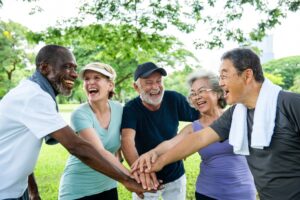
Falls remain the leading cause of injury or death for older Americans. Fall-related injuries are the most common reason for visits to the Emergency Department by adults 65 and older.
The good news? Most falls are preventable. …
Fall Prevention: From Awareness to Action (updated)*Read More »

PLEASE NOTE: We use pseudonyms and other narrative elements in our stories and case examples to safeguard the identities and privacy of our clients.
September is Healthy Aging Month – a time to celebrate the joys and possibilities that come with growing older. It’s also an opportunity to discover ways to support well-being at every stage of life.
Healthy aging is about more than our physical health. It includes nurturing our mental, intellectual, creative, and social well-being.
September is also Aging Wisdom’s 23rd birthday!
We have learned a lot from our clients over the years; they are our best teachers. We’d like to share so of the valuable lessons we’ve gathered from them, supported by research, about how to Live Well, Care Well, and Age Well in celebration of Health Aging Month and our birthday. …
September is Healthy Aging Month (and Aging Wisdom’s Birthday)Read More »
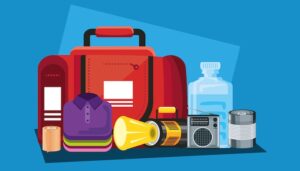
Emergencies, by definition, happen with little to no warning. Having a “go bag” ready can save time and reduce stress should you need to leave home quickly due to a severe storm, power outage, or other unforeseen event. Preparation helps you respond with confidence instead of panic.
The American Red Cross recommends that a go bag contain enough supplies to last at least three days. Include these items: …