


We still don’t know what causes many dementias such as Alzheimer’s disease, the most common form of dementia, but studies continue to provide evidence of modifiable risk factors across the lifespan that could potentially prevent or delay the progress of nearly half of dementia cases.
Non-modifiable risk factors are age, genetics, and family history. Modifiable risk factors include lifestyle, certain health conditions, environmental exposure, and social elements.
In 2024, the Lancet Commission released an encouraging report addressing 14 specific modifiable risk factors, providing evidence-based findings about prevention, intervention, and care. Nearly half of all dementia cases worldwide could be prevented or delayed by addressing these 14 modifiable risk factors. …

Frank ran a thriving family-run manufacturing business that employs over 200 people. With his keen financial acumen and people skills, he successfully led the business through economic ups and downs. At 75 years of age, he retired, leaving the company in strong financial standing and in good hands with his adult children.
A few years after retirement and unbeknownst to his family, Frank was struggling to manage his checkbook and the household budget. When family would visit, it wasn’t unusual to find Frank in his home office, a stack of unopened mail on his desk.
What stopped Frank’s kids in their tracks was a call one morning from their dad’s neighbor. She shared that the electricity wasn’t working at Frank’s house, and they couldn’t determine why, prompting the call. …

If your goal is to “age in place,” now is the time to consider some remodeling. And no room demands more physical agility than the kitchen. It’s impossible to foresee how your body may change over time. But making a few thoughtful accommodations now could extend your comfort and independence. Plus, such an investment may well forestall or eliminate a move to assisted living. That’s spending wisely! …

Neither age nor health should keep you from going on a vacation. With some thoughtful planning, a trip with family and friends or to visit specific destinations can be a joy.
As Aging Life Care Professionals®, we can assist individuals and families in planning for travel success and use our experience to help clients anticipate and address potential obstacles. …
Travel Tips for Older Adults with Health ConsiderationsRead More »

What is Sundowning or Sundown Syndrome?
As daytime turns to evening, you may start to notice a person living with dementia becoming increasingly agitated, pacing, or expressing worry. This restlessness and confusion around the late afternoon is a common dementia-related symptom called sundowning or sundown syndrome.
The exact causes of sundowning are unknown, though experts believe it is tied to changes in the brain that regulate a person’s internal body clock, called circadian rhythm. …

A hospital stay can be overwhelming for both the patient and their family. One of the most common questions families face is: What happens after discharge?
If a patient has been admitted to the hospital for a qualifying stay (typically three consecutive midnights), they may be eligible for a short-term rehabilitation stay in a skilled nursing facility.
Families are often unsure what rehabilitation entails and may feel hesitant about this option. …

What if your life suddenly changed. Do you know who would step up to help? Regardless of whether you are a solo ager, part of a couple who hasn’t discussed “what if” scenarios, or someone with family nearby, it’s best to identify help before needs arise. Making the effort now to talk about your wishes and expectations helps create clarity, both for you and for the people who care about you. …
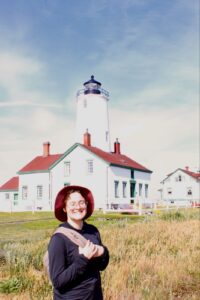
What is your role at Aging Wisdom?
I am a Care Manager.
What made you want to work in the field of aging? …

In an age of screens, notifications, and tiny computers in our pockets, our directed attention is depleted daily. You know the feeling: your mind wanders, you slow down physically, and you feel mentally fatigued.
The prescription to restore your mood and cognition? Nature. …
Nature Notes: Get Outside to Improve Cognitive, Physical, Mental, and Social HealthRead More »

Navigating the future can feel uncertain—but you don’t have to do it alone.
What is solo aging?
A solo ager is an individual who is aging without the traditional support system of immediate family. Solo agers include those who are single by choice, widowed, divorced, have never had children, or navigating life independently.
Solo agers often rely on friends, extended family, or community resources for support to navigate the challenges and opportunities of aging alone. It’s essential for solo agers to actively plan for their future, considering aspects like healthcare, housing, and social connections. …