

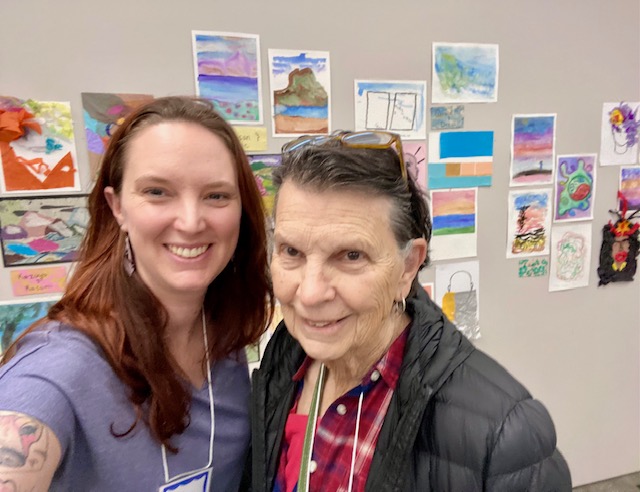
After 20 years of volunteering and working with folks living with dementia, I started to recognize signs in my mom. I knew it was coming. My paternal grandmother and my maternal grandfather both lived with Alzheimer’s disease. It doesn’t make it any easier.
My sister and I rallied to help plan her care, organize her financials, and verify her wishes through her health directive and powers of attorney.
Eventually it was obvious she needed to move. She was missing meds, not eating regularly, and the house was falling into disrepair.
We started talking with her early. She was at a moderate-ish stage of dementia, and she could remember new things after repetition. The move was about her health and safety, of course, but we told her it was to move her closer to us. This was also true and did not threaten her autonomy in the same way moving for her safety would have.
Don’t get me wrong. There were plenty of fights and tears. Mom lacked insight into her situation.
It is tempting to try reasoning with someone living with dementia – especially when they are a parent. I found myself doing it despite my experience and education telling me it wouldn’t work.
If you can, take your time to find the right place. Mom toured with us (we only showed her the final options). She called one place a “morgue.” That was my top pick at the time! I had to keep looking. We found a place that suited her style, respected her current stage of memory loss, and is a great location for our family. She saw it multiple times – sometimes she cried, but ultimately, it didn’t scare her in the way the others did.
Make the apartment feel like home as much as possible. My mom spent her days in her living room, surrounded by her desk, calendar, TV, and recliner. While my sister kept my mom busy, my partner and I set up the apartment just like her home with art on the walls and snacks in the fridge. And the most important success that day, we got her cat there just before she came home to her new apartment.
The first few months were hard. We spent a lot of time with Mom, going with her to the dining room and participating in activities. We started a weekly family dinner. We got texts and phone calls about wanting to go home. We told her, “Let’s give it a try for a bit longer.” Mom started in Independent Living (versus Assisted Living). This gave her time to get comfortable with the staff before adding services. This also meant that my sister and I continued providing her care and medications in the interim.
But now, she has blossomed. My mom is less anxious, happier, and more social. They call her a ‘social butterfly’ at her community. She texts and calls less. We see her more. Her diabetes is managed well now that she is receiving her medication every day.
Dementia will continue to challenge our family, but it is a relief to know Mom is in a safe place.