

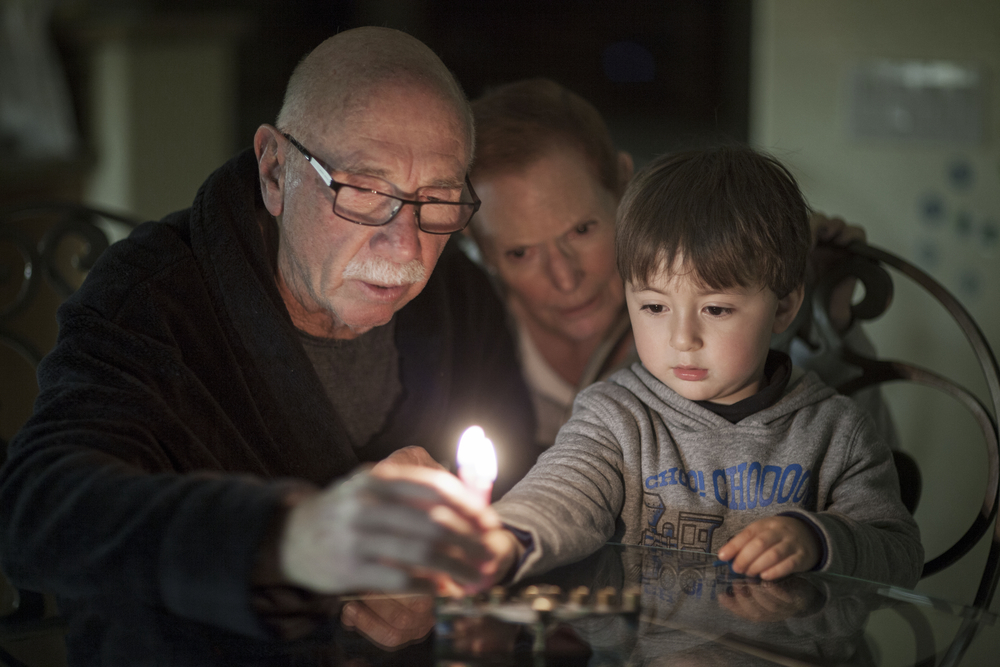
The year-end holidays are here and often include get-togethers with family and friends, lively conversation, good food, gift exchanges, and festive merrymaking.
For someone living with Alzheimer’s disease or another form of dementia, however, the activities, engagement, and added stimulation can be disorienting. The holidays can also interfere with daily routines, causing stress and confusion. Individuals who are experiencing cognitive change often do best when their environment and schedule are relatively predictable.
To make holiday gatherings dementia-friendly and -inclusive:
- Keep the gathering small with familiar people
- Designate one person to provide one-on-one support to the person with dementia
- If the person needs help with personal care (ex: bathroom assistance), consider having a caregiver accompany them
- Watch the person in your care for signs when it’s too much. This could include increased fatigue, added confusion, agitation, or withdrawal. In that case, take them out of that overstimulating situation to a quieter space.
Here are additional tips to consider during the holidays:
Maintain a normal routine. Sticking to a routine will help keep the holidays from becoming overly stressful or confusing. Plan time for breaks and rest. Consider having the person with dementia attend part of the gathering (the meal, for example) but bring them back to their residence as the gathering continues. Someone in the later stages of dementia may benefit from family and friends visiting them in their own space vs attending a gathering in a less familiar environment.
 Involve the person living with dementia. Focus on activities, traditions, and memories that are meaningful to the person in your care. Many with dementia will hold onto their long-term memories for longer, thus traditions can be comforting. Your family member may find comfort in singing familiar holiday songs or looking through photo albums. Involve them in holiday preparation as abilities allow; invite them to help you decorate, prepare food, set the table, wrap packages, or address holiday cards.
Let guests know what to expect before they arrive. If the person in your care is in the early stages of dementia, family and friends may not notice the changes. The person with middle- or late-stage dementia may have trouble following conversation or tend to repeat themselves. Family can help with communication by being patient, not interrupting or correcting, and giving the person time to finish his or her thoughts. Make sure visitors understand that changes in behavior and memory are caused by the disability and not the person. Understanding, acceptance, and patience go a long way.
 Be good to YOU! This is often the hardest step. But giving yourself permission to do only what you can reasonably manage is one of the most precious gifts you can give yourself. If you’ve always had a large gathering, consider having only a few guests for a simple meal. Let others participate by having a potluck dinner or ordering prepared foods. This is the time to be especially gentle and kind with yourself. This is also a great time to practice saying “No” and pace yourself.
Use the buddy system. Plan with family and friends to take turns being the buddy to your loved one. This is a great way to encourage one-on-one time as well as to shield the individual with dementia from distress. It also gives a break to the primary caregiver.
 Have a quiet space reserved. If possible, have a spare room or area reserved as a quiet space if the person in your care becomes noticeably confused or agitated. Have a family member or friend accompany them, keep them company, and help to soothe, comfort, and engage them. Consider playing soft music. Provide a comfortable chair, some holiday treats and small gifts, as well as activities like a family photo album or Beautiful Questions to engage a conversation.
Informing and engaging the collective ahead of the gathering will make for a more successful and inclusive holiday celebration for everyone, especially the person living with Alzheimer’s or another dementia.
And don’t forget that you are a priority too. As I shared earlier, the goal is time together. And a “less is more” mindset can make for a merrier holiday.
Having trouble navigating your role as a family caregiver? It can be complicated. We are the expert guides. We can help. Schedule a free, get-acquainted call today with one of our Certified Care Managers.
Click here to download the Dementia-friendly & -inclusive gatherings fact sheet