

Topic: emergencies
<CLICK HERE to listen to the podcast> This is the second in a series of four discussions with Lisa Mayfield, Aging Wisdom’s principal and founder, and Suzanne Newman, founder and CEO of Answers for Elders.
Helping families through a medical emergency is a familiar scenario in our work as Aging Life Care Professionals (aka Care Managers). A trip to the emergency department or a hospitalization can occur because of a fall or a stroke. Hospitals systems can be overwhelming and difficult to navigate. This is where an Aging Life Care Professional comes in. We help guide families through the labyrinth.
We can also provide a realistic perspective on options, resources, and outcomes in support of a client’s health and well-being. When hospital discharge is eminent, we can provide information about the best options and assist with discharge plans and successful transitions to rehab, home, or another supportive environment such as assisted living.
Care Managers are also experienced at mediating conversations as well as providing an expert, objective, and realistic perspective in each situation. This helps families make tough choices, focus on healing, and finding peace of mind in challenging situations.
How Aging Wisdom Can Help You: Our Care Managers provide one-time consultations or ongoing support to guide your family in the right direction. Click here to schedule a get-acquainted call with one of our Certified Care Managers.

As a Girl Scout, I learned how to put the motto “Be prepared” into practice. It has served me well throughout life, especially as I’ve gotten older.
The motto has also served as a good reminder to prepare for a summer of heatwaves, potential health emergencies, and our occasional power outages. These always seems to catch us off-guard.
Here are a few strategies from the Aging Wisdom Safety Committee that we’ve implement on behalf of clients as well as in our own homes. We think you’ll find these helpful too: …
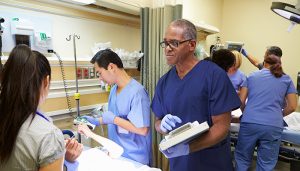
Judy fell and broke her hip. She calls 911. She lacks a medication list. As a result, the hospital team is unaware of her chronic conditions. Her daughter lives far away and doesn’t know if she should fly in.
Accidents by their very nature are unplanned. That doesn’t mean you need to be unprepared for a fall or a serious incident (e.g., a heart attack or stroke).
…