

Topic: cognitive changes

While cognitive impairment is not inevitable with age, the possibility of experiencing Alzheimer’s disease or another type of dementia makes advance planning an important and empowering step. This doesn’t mean resigning yourself to decline. Planning allows you to stay in the driver’s seat of your life rather than leave your future to chance or to others. …

“The right to vote is one of the most sacred privileges in a representative democracy and it should be available to all citizens, whether they are cognitively impaired or unimpaired.” ~ American Bar Association Committee on Law and Aging
November 5, 2024 is General Election Day. According to the Washington State’s Secretary of State Office, ballots were mailed out by county election offices no later than October 18 (18 days prior to election day). October 28 is the deadline to register to vote or update your address online.
Please note: you may also register and vote in person at a county voting center through election day. For information about elections in Washington State, visit the Washington State Secretary of State website page HERE. …
The Right to Vote and Cognitive Impairment (updated*)Read More »

Some physical, emotional, and cognitive changes are likely as we grow older. When these changes interfere with safety, self-care, and personal well-being, it may indicate a need for assistance.
Here are six common signs that reveal an older adult may need help: …
Signs an Older Person You Care About May Need HelpRead More »

Helping a person in your care navigate health and cognitive changes can be a challenge. It’s not always easy, or successful.
There are many reasons. …
Helping the Person in Your Care Manage Changes in Health and CognitionRead More »
“The right to vote is one of the most sacred privileges in a representative democracy and it should be available to all citizens, whether they are cognitively impaired or unimpaired.” ~ American Bar Association Committee on Law and Aging …
The Right to Vote and Cognitive Impairment (updated*)Read More »

Talking with our parent/s or others we care about regarding their health or other topics of concern can be difficult. And it can often be met with resistance or dismissal.
But it’s necessary and important, especially if you are seeing worrisome signs of cognitive or physical change. …
How to Start the Conversation About Health ConcernsRead More »

It’s not unusual to hear the terms dementia and Alzheimer’s used interchangeably, though they are not synonymous; they have different meanings. Dementia is an umbrella term that describes a broad range of symptoms; dementia is a syndrome, not a disease. Dementia is a decline in cognitive function that is typically not reversible. …
What’s the difference between dementia and Alzheimer’s disease?Read More »

This article was first published July 15, 2022 and updated October 27, 2022
The Midterm elections are just around the corner. The Washington State Voters’ Pamphlet arrived in mailboxes last week. Ballots were mailed October 21. Election Day is Tuesday, November 8, 2022. For information about elections in Washington State, visit the Washington State Secretary of State website page HERE.
Whenever an opportunity to vote is on the horizon, our team often fields questions from family members and other supports about voting when the person in our mutual care is living with a cognitive impairment. …
The Right to Vote and Cognitive Impairment (updated)Read More »
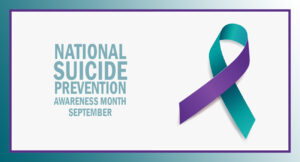
September is National Suicide Prevention Awareness Month, an opportunity to discuss this often-stigmatized topic. Let’s use this awareness to spread hope and critical information to people affected by suicide.
Understanding the reasons someone may consider suicide, recognizing the warning signs, and knowing how to support someone with suicidal thoughts can go a long way in getting the person who is struggling the help and support they need. …
Suicide Prevention Awareness: Recognizing risk in older adultsRead More »

Washington state primaries are just around the corner. Today, July 15, 2022, marks the start of the 18-day voting period (through Election Day, Tuesday, August 2). Ballots have been mailed and Accessible Voting Units (AVUs) are available at voting centers.
Whenever an opportunity to vote is on the horizon, our team often fields questions from family members and other supports about voting when the person in our mutual care is living with a cognitive impairment. …