

Topic: aging well
Aging brings change. Some of it is expected and manageable; some of it deserves closer attention. Have you noticed slower recall, needing more light to read, or taking a little longer to recover from exercise? These are common, normal parts of aging. What’s not normal? Changes such as getting lost in familiar places, poor balance, and difficulty managing everyday tasks. Knowing the difference is important. …

If you are presently partnered, chances are that household duties and responsibilities—everything from running the dishwasher to managing finances—are split between you. That means that you might not be prepared to seamlessly take over should your partner be rendered incapable by a debilitating accident or disease, or even death. In other words, sudden singlehood.
As a proactive planner, you try to anticipate the needs of your later years. But not everything is predictable. Of course, it’s very difficult to contemplate losing someone you’re so close to. As the adage goes, hope for the best and prepare for the worst. No matter how the years roll out, you’ll feel more confident taking extra steps now so you’re ready to approach things solo should the need arise. …

Research shows that many factors linked to dementia are within your control. While age and genetics play a role in developing the condition, lifestyle is a significant part of the puzzle. How you live today influences how sharp your mind will be tomorrow. …

“The first myth is that old age is a disease, a terrible disease that you never admit you’ve got, so you lie about your age. Well, it’s not a disease—it’s a triumph. Because you’ve survived. Failure, disappointment, sickness, loss—you’re still here.”— Gray Panthers founder Maggie Kuhn
Words have power. They influence how we think and act. They can create labels, misperceptions, and misrepresentations. They can also shape our understanding in meaningful and positive ways. …


Our homes and our communities play important roles in our overall health, happiness, and independence. In a recent AARP Home and Community Preferences Survey, 75 percent of adults over age 50 expressed a preference to remain in their current home as long as possible—what is commonly referred to as “aging in place.”
What is aging in place? It is the ability to live in the place you call home and, in your community, independently and safely, as you age. …

Making wise decisions is more than just being smart. It also comprises the qualities of flexibility, calm, selflessness, and social insight. Difficult to describe, but you know it when you see it.
And who doesn’t want to be wiser? Wisdom allows us to solve complicated problems in a way that leads to gracious outcomes. It reduces stress and builds positive relationships and esteem.
Contrary to what many assume, wisdom doesn’t come automatically with age, although circumstances of aging can lead you there. …
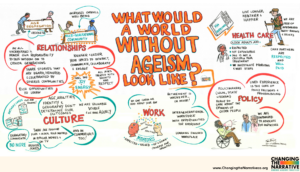
Ageism is one of the most widespread and socially accepted forms of prejudice. As defined by the World Health Organization, ageism is “the stereotypes (how we think), prejudice (how we feel) and discrimination (how we act) towards others or oneself based on age.” …

Feeling truly seen and heard helps to build trust and relationship, and contributes to aging well, caring well, and living well.
Our Care Managers and Creative Engagement Specialists are incredibly adept at the powers of observation, asking questions, actively listening, making connections, learning about the person in front of them, and being in the moment. Each conversation provides opportunity to know a client more personally, find ways to add to their quality of life, and enhance well-being. …
Person-Centered Support and the Power of ListeningRead More »

Aging comes to us all. What makes solo aging different is the need to be more proactive about arranging for help. Twenty-two percent of older adults acknowledge they will need to take care of themselves. (Even if you are partnered now or have children, you are wise to consider the possibility of solo aging because, well, things can change … death, divorce, estrangement. In that light, we are all potential solo agers.) …