

Topic: support

What is your role at Aging Wisdom?
I am a Care Manager.
What made you want to work in the field of aging? …

Making sense of all the senior housing and long-term care options can be overwhelming. But you don’t have to make the decision alone.
There are several different avenues you can go for guidance. …
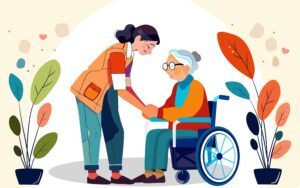
Adult Family Homes (AFHs) are located in neighborhoods, usually licensed for six residents. They are common in Washington State, though not an option in every state. They provide room, board, laundry, necessary supervision, and necessary help with activities of daily living, personal care, and social services.
The adult family home model has created a residence for individuals to get a high-level of care, but in a comfortable, home-like setting. AFH are especially wonderful for residents who would benefit from more one-on-one support and a calmer environment. …
What is your role at Aging Wisdom?
I work in an administrative role, part time, supporting the Leadership, Care Management, and Creative Engagement teams so they can focus on providing exceptional care and guidance to our clients and their families.
…
What is your role at Aging Wisdom?
Geriatric Care Manager. I also support new inquiry calls.
What made you want to work in the field of aging?
…

Having concerns about your parents’ health and well-being as they age is normal, yet incredibly stressful. As an adult child, it is also common to struggle with striking the right balance between supporting your parents’ desire for autonomy and ensuring their safety.
According to AARP, approximately 42 million adults provide uncompensated care to an adult age 50 or older, many of whom are part of the Sandwich Generation. Sandwich Generation is a term used to describe individuals who are “sandwiched” between raising children and simultaneously caring for aging parents. …
Confident Caring: Essentials for Adult Children Supporting Aging ParentsRead More »
What is your role at Aging Wisdom?
What made you want to work in the field of aging? …

There are currently over 4 million active podcasts, which is a testament to their popularity. Podcasts cover a wide range of topics from cooking, the arts, and politics to book reviews, health, and family caregiving.
Whether you are new to the family caregiver journey or finding your stride, podcasts can offer a beneficial listening experience that’s accessible and available at your convenience. Podcasts can offer encouragement, smart insights, and useful ideas. …
Supportive and insightful podcasts for family caregiversRead More »

November is National Hospice Awareness Month, an opportunity to learn more about this often misunderstood but important service and support.
The recent announcement by former U.S. President Jimmy Carter’s family* that he’s entered hospice care has helped familiarize many of us with hospice care, providing an opportunity for us all to get educated on the benefits that hospice can offer. *Since we posted this article, the Carter family has more recently shared that former First Lady Rosalynn Carter has also entered hospice care.
Understanding end-of-life care options can be essential to making informed decisions. …
Falls among older adults continue to be a national public health concern. Fall-related injuries are the most common reason for visits to the Emergency Department by adults 65 and older. Falls remain the leading cause of injury or death for older Americans.
It is Falls Prevention Awareness Week, a nationwide observance sponsored annually by the National Council on Aging in partnership with the Administration on Community Living. Their objectives are to raise awareness on preventing falls, reducing the risk of falls, and helping older adults live without fear of falling.
This year’s theme is From Awareness to Action. …