

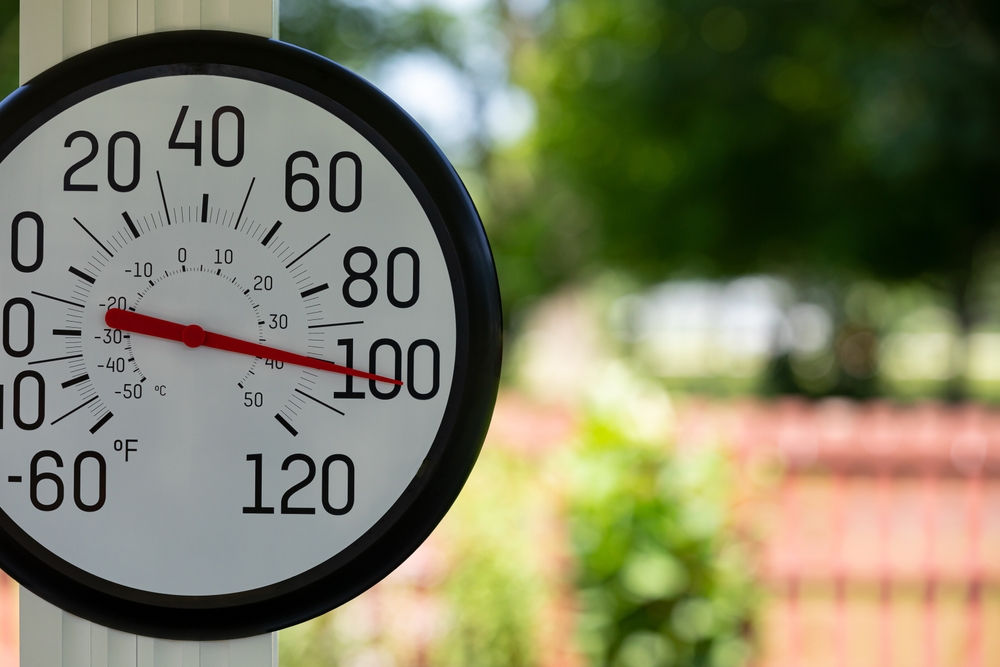
The National Weather Service has issued a Heat Advisory for much of western Washington beginning Friday afternoon (July 5) as temperatures should approach and even exceed 90 degrees over the weekend.
Summer is officially here. The weather forecast has us bracing for some hot weather. During the hottest months, dehydration is one of the most frequent diagnoses leading to hospitalization for older adults. According to the National Institutes on Health, “Older adults are particularly vulnerable to heat-related complications because of the declining ability of the body to thermo-regulate with age, as well as because of social/behavioral factors, such as increased likelihood of living alone, being homebound, or taking medications that interfere with fluid balance.”
Here are some tips to help stay cool and minimize risk of dehydration and heat-related illness.
How to Stay Cool and Safe
Drink water regularly, even when you don’t feel thirsty. Invest in an insulated, reusable water bottle or travel tumbler to keep your water chilled and portable.
- Try some of these spa water recipes for fun flavors. You probably already have many of these ingredients in your kitchen or garden.
- Stay away from liquids containing lots of sugar, or caffeine or alcohol as they can cause you to lose fluids water by making you urinate more.
<Hydration: How Much Water Should You Drink Every Day?>
Check your medications. Ask your pharmacist or health care provider if your health conditions or medications make you more sensitive to heat. Certain medications can make it harder to regulate body temperature and stay hydrated.
Organize a phone tree. Have others check in with you, and vice versa. Send a text or make a phone call. If you live in an apartment building or condominium, check in with neighbors, especially those who live alone.
Don’t use the oven or stove. This will help keep your home cooler. Have ingredients on hand for light meals such as sandwiches, salads, cheese and crackers, protein bars and drinks, fresh fruit and vegetables (they are also hydrating). Watermelon, cantaloupe, pineapple, blueberries, broccoli, cucumbers, tomatoes, and lettuce are all wonderful hydrating foods.
Lower indoor temperatures. Keep blinds, shades, and curtains drawn, especially during the heat of the day to keep out direct sunlight. Use ceiling fans if you have them. Ahead of a heat wave, make sure that the heating and air conditioning system in your home is regularly maintained so your home cools properly.
Take a shower to cool down. Using a wet compress or cloth around your neck, wrists, ankles, or armpits can also cooling down body temperature.
Know where your community cooling centers are located. Take an “air conditioning break” at a local mall, library, place of worship, senior or community center during the heat of the day. If you don’t have air conditioning during a heatwave, consider staying with a friend or family member.
- Here are links to the King County Public Health and Snohomish County Public Health Departments Hot Weather Preparedness webpages.
Dress in loose-fitting clothes. Wear sunscreen and clothing that provide protection from sunburns, which makes it hard for your body to cool down. Don’t overexert yourself. Take time to rest. If you must go outside in the heat, wear a hat, stay in the shade as much as possible, and move slowly so you won’t become overheated.
Know the symptoms of heat-related illness: muscle cramps, dizziness, headaches, nausea, weakness, or vomiting. Seek medical care immediately if you or someone in your care is experiencing any of these symptoms.
Here in the Pacific Northwest, we welcome the warmer weather and our time outdoors, but encourage everyone, regardless of age, to be informed, hydrated, and keep cool to stay safe and healthy.
Are you concerned about an older family member or friend who lives locally? Are you especially worried during periods of extreme weather? We can help!
Our Care Managers are experienced advocates, communicators, and can help address your concerns. Click here to schedule a get-acquainted call with one of our Certified Care Managers.