

Author: Keri Pollock

While cognitive impairment is not inevitable with age, the possibility of experiencing Alzheimer’s disease or another type of dementia makes advance planning an important and empowering step. This doesn’t mean resigning yourself to decline. Planning allows you to stay in the driver’s seat of your life rather than leave your future to chance or to others. …
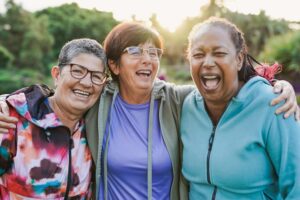
Sarah never learned to downhill ski, but now that she’s retired, she felt it was time. Her grandkids are avid skiers, and they’ve been asking her for years to enjoy the sport with them. Of course, Sarah’s grands are hitting more advanced ski runs while she’s mastering the snowplow and other skills on the bunny hill. But eventually, with patience, planning, and practice, she knows she’ll be able to join them.
Sarah applied a similar approach to planning for her own aging. Having barely survived the “nightmare,” as she calls it, of trying to navigate her parents aging journey without the benefit of planning, she wanted to avoid a similar trajectory with her own family.
At the encouragement of a friend, Sarah engaged Aging Wisdom for a Proactive Planning consultation. …
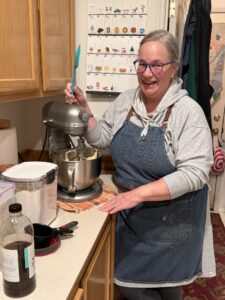
What is your role at Aging Wisdom? Director of Marketing and Communications
What made you want to work in the field of aging? …
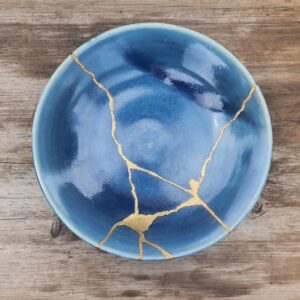
My friend Betsy Fitzgerald, care partner to a lung transplant survivor with metastatic cancer, recently shared an update: “I’ve been mending my life, Kintsugi, patching broken pieces together. It is not easy; some pieces are sharp edged, some not quite fitting, some missing. We do the best we can.”
Her role as a care partner comes with recognizing the need for self-care. And part of self-care has been acknowledging her need for “patching,” hence the Kintsugi reference.
Kintsugi is a Japanese art form that teaches us to repair the broken pieces, making us stronger and more resilient than before. It can symbolize hope, healing, and lead to a new kind of beauty. How might we apply the art of Kintsugi to the caregiver journey? …
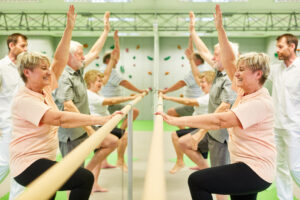
It’s Falls Prevention Week, an opportunity to refresh our knowledge of falls risk and how best to prevent them.
Why is this important? According to the Centers for Disease Control and Prevention, falls are the most common reason for visits to the emergency department (ED), as well as the leading cause of fatal and nonfatal injuries for older Americans. More than 95% of hip fractures are caused by falls.
This should give us all pause. …
Falls Prevention: Prioritize exercise, vision, and honest conversationsRead More »
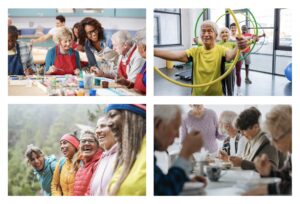
Tai Chi. Spanish conversation. Tie-dye workshop. Forest therapy guided walks. Community dining. Line dancing. Haircuts. Social media class. Needle arts. Memory loss program. Zumba. Scrabble. Song Circle. Jewelry making. Caregivers support group. Computer lab. Watercolor painting. Pinochle. Foot care. Yoga. Men’s Group. Medicare counseling. Mah Jongg. Dental hygiene clinic. Improv. Ukelele song group. Book club. Acupuncture…and more!
Where are all these programs, activities, events, and services happening? At your local senior center!
September is National Senior Center Month, an invitation to challenge outdated perceptions of aging and senior centers and explore this year’s theme of Powering Possibilities: Flip the Script. …
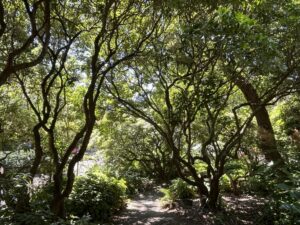
“To me a lush carpet of pine needles or spongy grass is more welcome than the most luxurious Persian rug.” ~ Helen Keller
“Go outside!” was a common encouragement in our house as I was growing up. And every day at school we spent time outdoors on the playground during recess. I think our parents and teachers were on to something.
We are fortunate to live in such a beautiful part of the country, where we can enjoy the outdoors year-round. What’s the saying? “There is no bad weather, only inappropriate clothing!”
A growing body of research supports the benefits of regularly spending time in nature. It contributes to better quality of life, reduced risk of chronic health conditions, improved brain health, and healthier longevity. …

“The first myth is that old age is a disease, a terrible disease that you never admit you’ve got, so you lie about your age. Well, it’s not a disease—it’s a triumph. Because you’ve survived. Failure, disappointment, sickness, loss—you’re still here.”— Gray Panthers founder Maggie Kuhn
Words have power. They influence how we think and act. They can create labels, misperceptions, and misrepresentations. They can also shape our understanding in meaningful and positive ways. …

We are fortunate to have expert guides in travel, hiking, and urban exploration in our community. When planning European travel adventures, Rick Steves’ Europe, based in Edmonds, is a go-to for many. For Pacific Northwest hiking, Craig Romano’s guidebooks are a must. Closer to home, there is Susanna Ryan’s delightful books Seattle Walk Report and Secret Seattle.
Just as Rick, Craig, and Susanna share their knowledge, unique perspectives, and insights, so too do my Aging Life Care colleagues with guidance, support, and resources for older adults and their families when it comes to the field of aging.
Our care management team’s individual and collective experiences and expertise in all aspects of aging make them deeply knowledgeable guides and advocates on your journey with aging. We also have extensive knowledge about the costs, quality, and availability of resources in our community and tailor recommendations to the unique needs of each client.
Additionally, we are part of a professional association, the Aging Life Care Association (ALCA). Through ALCA, we are part of a nationwide network of professionals who follow a code of ethics and standards of practice, as well as benefit from education and training, and mutual support.
What is Aging Life Care?
…

Our homes and our communities play important roles in our overall health, happiness, and independence. In a recent AARP Home and Community Preferences Survey, 75 percent of adults over age 50 expressed a preference to remain in their current home as long as possible—what is commonly referred to as “aging in place.”
What is aging in place? It is the ability to live in the place you call home and, in your community, independently and safely, as you age. …