

Author: Keri Pollock

Lifelong learning is the ongoing, voluntary, and self-motivated pursuit of knowledge and mastering skills throughout life. And it has been found to be particularly beneficial to the brain as we age.
Learning is for everybody, regardless of health status or condition. By challenging your brain and learning new things throughout your life, you can help build your cognitive reserve. …
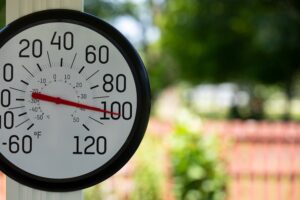
The National Weather Service has issued a Heat Advisory for much of western Washington beginning Friday afternoon (July 5) as temperatures should approach and even exceed 90 degrees over the weekend.
Summer is officially here. The weather forecast has us bracing for some hot weather. During the hottest months, dehydration is one of the most frequent diagnoses leading to hospitalization for older adults. According to the National Institutes on Health, “Older adults are particularly vulnerable to heat-related complications because of the declining ability of the body to thermo-regulate with age, as well as because of social/behavioral factors, such as increased likelihood of living alone, being homebound, or taking medications that interfere with fluid balance.”
Here are some tips to help stay cool and minimize risk of dehydration and heat-related illness. …

What is stress? A common definition is “physical, mental, or emotional strain or tension.” Another popular definition is “a condition or feeling experienced when a person perceives that demands exceed the personal and social resources the individual is able to mobilize.” (For more information, visit The American Institute of Stress).
Stress is a ubiquitous part of life, impacting each of us differently. It’s the body’s normal response to change or a threat. Too much stress, especially if chronic, can impact mental health and overall well-being. …
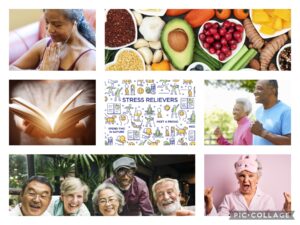
Research supports how small, manageable lifestyle changes can be powerful, lasting ways to improve brain health and reduce your risk of developing dementia. It is never too late to start.
You have likely adopted many of these healthy habits already. Congratulations and keep up the good work! Any change you make to positively impact brain health will also benefit your physical, emotional, mental, and cognitive health. And who doesn’t want to feel better? …

March is Nutrition Month, an invitation to refresh our knowledge of healthful eating using evidence-based guidelines.
Healthy eating across the lifespan is important. As we grow older, nutrition can play an essential role in how we age. The food choices we make play an important role in sustaining health and preventing disease. …
February is Heart Health Month and February 2, is Go Red for Women Day, the American Heart Association’s signature women’s initiative to increase awareness about cardiovascular disease.
Over 60 million women in the U.S. are living with some form of heart disease, according to the Centers for Disease Control and Prevention (CDC). Heart disease is the leading cause of death for women and can affect women at any age.
In most cases, heart disease is preventable with a healthy lifestyle. This includes not smoking, maintaining a healthy weight, controlling blood sugar and cholesterol, treating high blood pressure, engaging in regular moderate-intensity physical activity, managing stress, and getting regular checkups. …
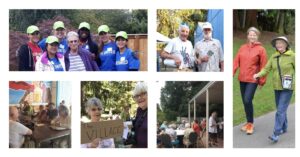
“When we decide to ask for help, it doesn’t mean we no longer play a role in our own well-being. Getting the help we need allows us to do what we can without being at risk. It means we have created new networks of connection and relationship. It might well mean we discover creative and other outlets for ourselves when we no longer have to worry about doing the things we no longer can, or want to, do ourselves.” —Rebecca Crichton, Executive Director of the Northwest Center for Creative Aging. …
Neighbors Helping Neighbors: The Village MovementRead More »

Clutter, candles, and cooking, oh my! Use this checklist for holiday safety and peace of mind.
As you plan for holiday gatherings and activities, don’t overlook potential safety hazards in your home. Often, it’s the simple details which are overlooked that can send the holidays from celebration to chaos in short order. …
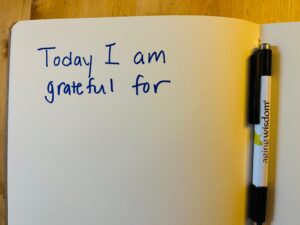
“Gratitude is associated with a personal benefit that was not intentionally sought after, deserved, or earned but rather because of the good intentions of another person” (Emmons & McCullough, 2004). …
“Aging is not lost youth but a new stage of opportunity and strength.” ~Betty Friedan
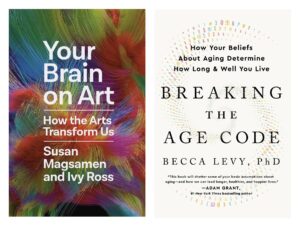
Our team at Aging Wisdom are avid readers. It’s not uncommon for us to routinely share books, ideas that have sprung from reading, or to attend author events for that extra infusion of inspiration.
Reading, discussing, and brainstorming affirms our work as Care Managers and Creative Engagement Specialists. We also discover new ways to support clients in navigating options for living, caring, and aging well. …