

Lifelong learning is the ongoing, voluntary, and self-motivated pursuit of knowledge and mastering skills throughout life. And it has been found to be particularly beneficial to the brain as we age.
Learning is for everybody, regardless of health status or condition. By challenging your brain and learning new things throughout your life, you can help build your cognitive reserve.
As Eric B. Larson, MD, and Joan DeClaire reflect in their book Enlightened Aging: Building Resilience for a Long, Active Life, “The brain is actually quite malleable and always changing—a concept known as brain plasticity. In fact, we now know the brain can grow new cells and form new connections. This is welcome news for those studying brain health in the elderly—and for anybody who intends to grow old themselves. It means we can prevent or lessen problems like memory loss and dementia by focusing on mental, physical, and social activities that promote healthy brain development.” (Enlightened Aging is available from The Seattle Public Library, King County Library System, and Sno-Isle Libraries.)
Stimulating the brain with intellectual pursuits helps trigger new brain cell growth and builds new neural pathways. Our brains are designed to adapt, change, and grow.
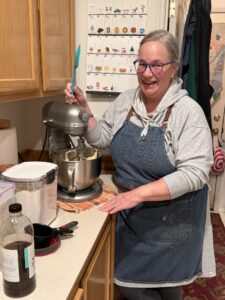
To strengthen and flex your brain, try something new. Always wanted to play the piano? Start now! How about those salsa dancing lessons you’ve always dreamed of? Learn a new language, woodworking, jewelry making, quilting, memoir writing, improv. Here’s your excuse to find a class and get started. The possibilities are endless.
There are additional benefits: Acquiring new skills. Understanding new concepts. Expanding one’s intellectual and practical capabilities. Personal enrichment.
Social engagement and social interaction are also important to brain health. Many outlets for expanding your intellectual horizons will include the opportunity for social engagement as well.
Research supports that individuals who stay socially engaged experience the slowest rates of cognitive decline. Something as simple as an in-person coffee and book chat with an old friend or brushing up on your Spanish speaking skills with others can do wonders to brighten your day, enhance your mood, and benefit your brain.
Are you living with Alzheimer’s or another dementia? There are still interests to explore, strengths to engage, and joyful moments to pursue. Regardless of where you may be on your dementia journey, you have many preserved abilities to exercise. Keeping your brain active can help you live well with dementia.
While learning new things does not reverse the progression of or cure dementia, it has been shown to provide a variety of benefits:
- It can slow the onset or progression of dementia.
- It helps lower anxiety and stress levels, positively benefitting your overall health.
- Supports independence and autonomy.
- Offer opportunities for social connection and new friendships.
Learning is a continuous process, not something confined to a particular age or stage of life. It can enhance personal development, adaptability, and satisfaction throughout one’s life.
How do you plan to continue learning, growing, and thriving? Here are some ideas to get you started:
Live and Virtual Events and Programs
- Age Friendly Seattle Civic Coffee in partnership with The Seattle Public Library
- Humanities Washington
- Lifetime Learning Center Seattle
- Town Hall Seattle
Programs at Area Senior and Community Centers
- Active Older Adults (AOA) at the YMCA of Greater Seattle
- Auburn (WA) Senior Activity Center
- Center for Active Living (formerly the Senior Center of West Seattle)
- Central Area Senior Center
- Edmonds Waterfront Center
- GenPride programs
- Greenwood Senior Center
- Issaquah Senior Center
- Lynnwood Senior Center
- Northshore Senior Center
- Redmond Senior & Community Center
- Sound Generations-affiliated Senior Centers
- Wallingford Senior Center
Programs and Resources for individuals living with dementia
- The Memory Hub
- The Frye Art Museum
- PNA Memory Loss Program at the Greenwood Senior Center
- Old Friends Club
- Momentia
- Edmonds Center for the Arts Dementia-Inclusive Workshop Series
Programs and Resources at Area Libraries
- King County Library System (KCLS) Older Adults resources
- Seattle Public Library Adults 50+
- Sno-Isle Libraries resources for Adults
Lifelong Learning through Colleges and Universities
- Broadway Hill Club at Seattle Central College
- Edmonds College Creative Retirement Institute
- Osher Lifelong Learning Institute at UW
- Academy for Lifelong Learning at Western Washington University
- Center for Lifelong Learning at Gonzaga University
Other outlets to explore
A original version of this article first appeared in the September issue of AgeWise King County.