

Being active is one of the best ways to improve and support overall physical and mental health, mobility, independence, and mood. It is also a wonderful way to make meaningful social connections, and being active outdoors provides extra benefits.
Physical activity helps improve sleep and reduces anxiety. Regular exercise also helps:
- Positively impact balance
- Strengthen bones and muscles
- Enhance cognitive health
- Lower blood pressure
The winter months present a challenge to getting and staying active, but you can be active indoors or out and have fun while improving your overall well-being!
As Creative Engagement Specialists, we love to tailor engagement with clients to include some physical activity, even in the winter, as we witness firsthand the mood-boosting and health benefits.
Here are our team’s top tips for staying active during winter:
Indoor Exercise
- Dance: One of our favorites! Turn up your best-loved music and dance. Added benefit: it’s a great mood lifter. Third Place Commons in Lake Forest Park offers free live music and dancing every Friday and Saturday evening.
- Walking Indoors: If outdoor walks are difficult or feel unsafe, consider walking indoors in places like shopping malls, community centers, or even around the house.
- Chair Yoga: Comfortable and accessible regardless of age or experience, this gentle form of yoga is done seated or with support from a chair. Chair Yoga helps build strength, flexibility, and balance.
- Tai Chi: Low-impact, slow-motion exercise improves balance, flexibility, and circulation. Many community centers and online resources offer classes.
- Strength Training: Building muscle is essential for maintaining bone health and balance. Light weights, resistance bands, or soup cans are useful at home to improve muscle strength.
- Breathing Exercises: While not necessarily physical, breathing exercises improve lung capacity and relaxation, which makes you feel calmer and more energized.
Walk Outdoors, with precautions
A common maxim here in the Pacific Northwest, and one I enthusiastically embrace as a Seattleite is, “There’s no such thing as bad weather, only inappropriate clothing!”
Monitor the weather, dress appropriately, and plan your winter activity accordingly. If the weather allows, walking outside is both invigorating and a boost to health: fresh air, Vitamin D, disconnecting from electronic devices. We love this How to Dress for the Weather Guide as a primer (Please note: the weather thermometer guide is in Celsius not Fahrenheit as it is from a Canadian organization : )
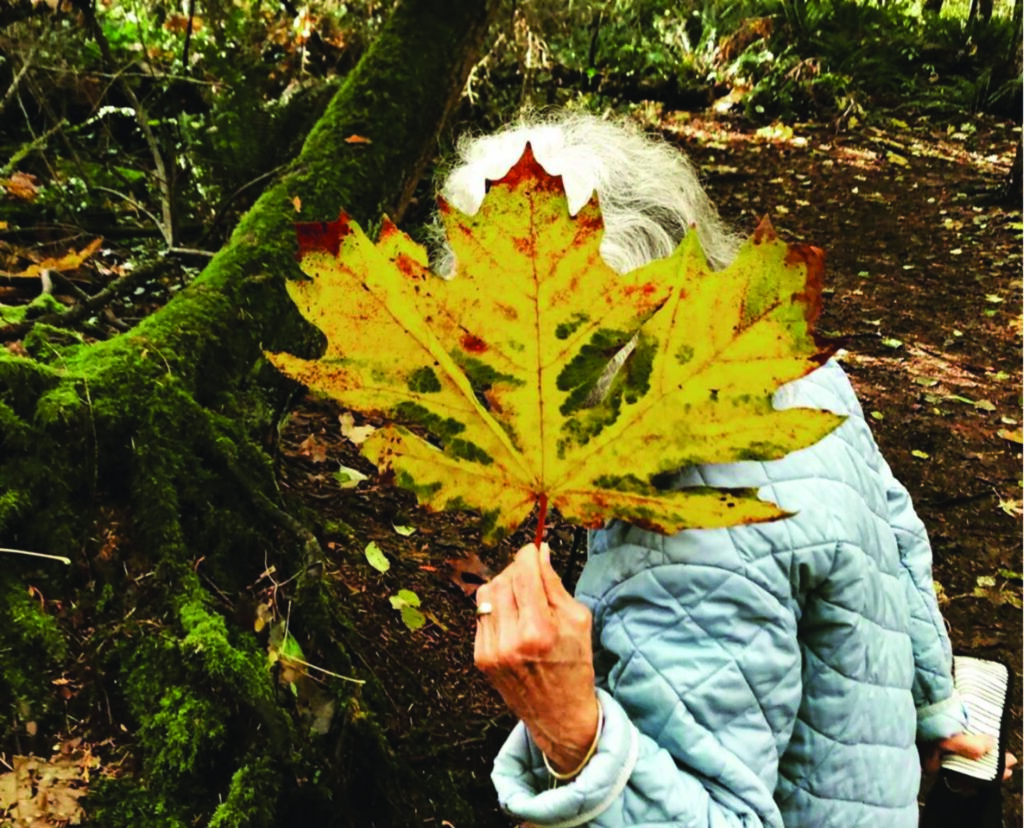
Walking outdoors can include collecting items such as stones, shells, leaves, seeds, and flowers for creative projects. You never know what you will experience along the way. There are often unexpected delights. On such an outing with a client, one of my colleagues had the great fortune to witness orcas frolicking in Puget Sound – a first for them both. They still talk about the joy the outing brought months later.
To ensure safety:
- Wear proper footwear that fits well and comes with good traction to prevent slipping.
- Dress in layers to stay warm but allow you to avoid overheating.
- Walk with a friend or family member for extra support and safety or find a community walking group (see resources below for ideas).
- Choose clear, salt-treated paths to minimize the risk of falling where there is frost, ice, or snow.
- Limit walking duration if the temperatures are very cold. Even 5 minutes outdoors can provide benefits.
Water-Based Activities
- Aquatic Exercise: If you have access to an indoor pool, water aerobics or swimming can be an excellent way to stay active. Water-based exercise provides resistance and builds strength while reducing the risk of injury.
- Water Walking, Water Aerobics, or Lap Swimming: Great for cardiovascular health without putting strain on the joints.
Home-Based Workouts
- Online Fitness Classes: Many platforms (YouTube, fitness apps, and community groups) offer online classes, including yoga, Pilates, and dance, which can be followed in the comfort of your home.
- Exercise Videos & DVDs: Check your local library for videos and DVDs, many are designed specifically for older adults, focusing on balance, flexibility, and low-impact movement.
- Walking in Place, on a Treadmill or Elliptical: If it is too cold or icy outside, a treadmill or elliptical offers a safe, controlled option for walking. Walking in place can also get your heart pumping and muscles flexing.
Social Activities
- Group Classes and Outings: Whether it is a senior fitness class, dance group, walking club, or pickleball league, joining a group provides motivation and a sense of community.
- Exercise Buddy: Pairing up with a friend, family member, or neighbor for activities makes winter workouts more enjoyable and provides social benefits, which help with mental health, motivation, and accountability.
Seasonal Gardening
- While outdoor gardening in winter is limited, caring for indoor plants, even if it is just moving them around, trimming, or repotting, is an enjoyable way to stay active indoors.
- Outdoor gardening or yardwork can include maintaining a bird feeder and bird bath, providing the added benefit of birdwatching. It can also include pruning, mulching, raking, and planning for Spring.
General Tips for Winter Activities:
- Hydration: Winter air can be dry, so drinking enough water is still essential, even when it is cold outside. Here are some tips for staying hydrated in Winter.
- Warm Up Properly: Cold muscles are more prone to injury, so always take time to warm up before more intense physical activity.
- Gentle Stretching: Stretching helps maintain flexibility and mobility, which prevents stiffness and discomfort, especially in colder weather.
- Range-of-Motion Exercises: Simple movements like shoulder rolls, wrist stretches, and gentle ankle circles improve joint flexibility.
- Listen to Your Body: Be mindful of how you feel during and after exercise. If something hurts or feels too intense, it is okay to modify or take a break.
Keeping active during winter is fun and contributes to quality of life. With the right activities, tailored to your preferences and strengths, you can stay fit, improve mental health, and enjoy the season!
Check out these local resources and programs
- 3rd Act Magazine Fitness & Exercise articles
- Cascadia Forest Therapy (Forest Bathing)
- Edmonds Waterfront Center programs calendar
- GenPride (yoga, ballet, strength & balance, etc)
- Greater Seattle YMCA Active Older Adults programs
- Greenwood Senior Center activities and events calendar
- Lifelong Recreation for Adults 50+ Outdoor Recreation (Seattle Parks and Recreation)
- Outdoors For All — seasonal rec programs for all ages with differing abilities
- Sound Generations (across King County) EnhanceFitness, Walk with Ease, and other senior center fitness classes
- The Center for Active Living (formerly West Seattle Senior Center)
- The Memory Hub (Dementia-friendly programs)