

Nearly one-third of adults who are 55 and older are aging solo, navigating aging without a life partner or children. Top of mind for many solo agers is who will advocate for them when they need assistance.
Proactive planning is essential.
Here are some key areas to consider when planning for a healthy, safe, and supported future:
Legal documents. Make this your first step. Not having complete estate planning documents will unnecessarily complicate everything else. Consult an elder law attorney and explore options for professional fiduciary/power of attorney designations. A comprehensive estate plan typically includes these essential documents:
- financial power of attorney
- healthcare power of attorney
- advance healthcare directive (sometime referred to as a living will)
- last will and testament
Finances. Whether you plan to continue working fulltime, work part time, retire and travel, you need to understand the financial landscape and how your finances will support you in those plans. You also need to get a sense of how your finances might be impacted if you have a change in health. Understanding the costs of long-term care and how your financial resources will support your future care goals is crucial.
Home. Living in the Pacific Northwest, our topography can be challenging, with hills that require homes to have steep entryways and challenging stairways. And our homes aren’t necessarily designed to support us as we age. Will your home accommodate you as you age? Are you able to renovate? Is staying in your current home the most sensible choice or is it time to consider a move? If you move, where would you like to live? <Housing and Long-Term Care>
Health and Well-Being. It’s important to maintain a healthy lifestyle. Focus on regular physical activity, nutrition, not smoking, moderate alcohol consumption, staying socially active and intellectually engaged. If you have a chronic health condition, following your healthcare provider’s advice can help you stay active and engaged in a purposeful life. What are your goals for the future? What can you do now to further ensure a healthy future?
Community. Drawing on social networks is shown to contribute to general well-being and quality of life. Living in a community where you feel safe, that is affordable, and where your goals and needs are met is indispensable. Some questions to consider: Who are you able to rely on for support when needed? What are your personal safety nets? How will you continue to stay connected after retirement? How does your neighborhood and community foster your involvement in civic, economic and social engagement? <Powered by Connection as We Age>
Transportation. Your plan needs to help you maintain independence, mobility, and support your goals to live and age well. Are you comfortable driving or do you have someone who is able to provide rides? Access to public transportation or ride share services? Do you live in a walkable, accessible community? <Planning to “retire” from driving>
Hire a Professional Advisor and Advocate. As Aging Life Care Professionals, we help you navigate and plan for what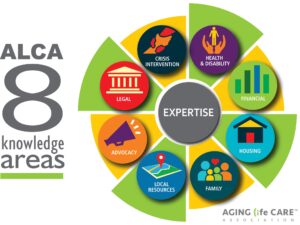 you need to live well and grow older with confidence. We can provide:
- Access to trusted service providers so you can more easily get what you need
- Advocacy that ensures your voice is heard, and your wishes are followed
- Knowledge about the best options and resources in your area
- Emotional support when you feel vulnerable
- Help with discharge planning if you are ever hospitalized
- Addressing your immediate needs while ensuring you are prepared for future considerations
Planning is Empowering. Is there a gap in your preparedness? Engaging the advice of an elder law attorney, financial advisor, and Aging Life Care professional can be valuable and smart investments in preparing for your later years.
Planning now can safeguard your happiness, your health, and your peace of mind.
Aging Wisdom’s Proactive Approach
Our solo aging clients include individuals nearing or post-retirement that are planning for their own aging and want to make informed choices for their later years.
- seeking guidance when they aren’t sure where to start or what they need to consider
- assistance creating a support network
- strategies for decision-making, understanding options for housing and finances
- advocacy for optimal health and well-being
Step 1: Proactive Planning session to strategize around your top concerns and goals.
Step 2: Thoughtfully curated recommendations and individualized resources that become your planning road map. We help you move forward on all the key priorities above.
Step 3: Expert guidance and solution-focused support as additional questions and decisions arise. By engaging Aging Wisdom, you benefit from our collective expertise. We’ll help you understand your options, strategize for your unique situation, and guide you in your decision-making. We look forward to partnering with you.
To learn more about Proactive Planning for Solo Agers, CLICK HERE to schedule a get-acquainted call with one of our Care Managers.