


This year the holidays and holiday gatherings will look a bit different for most of us, given the pandemic. Experts advise us to stay home and celebrate only with those in our household.
In our experience as Aging Life Care Professionals, the holidays are typically when families have an opportunity to spend more time together and may notice changes in an older loved one that are worrisome. This year, since many of us will gather virtually, you may still notice changes, though you may want to dismiss them. If you see uncharacteristic behavior, and lifestyle changes and routines, please don’t ignore them. …
“Home” for the Holidays? Signs Your Older Loved Ones May Need HelpRead More »

Judy had an emergency hip replacement after a fall. She needs to be discharged tomorrow to a skilled nursing facility. She needs several weeks of intensive physical therapy to be able to walk again. Then she may need to live in assisted living.
The discharge planner has a list of options. Judy and her daughter, who lives an hour away, don’t know how to make a wise choice.
…
November is National Family Caregivers Month and National Alzheimer’s Disease Awareness Month
These observances help raise awareness about the challenges of caregiving for families, especially Alzheimer’s caregiving, as well as increase support for and educate caregivers and their communities. The current COVID-19 pandemic has also presented new realities and stresses.
…

As we age, we find ourselves requiring different types of help. Medical needs are typically covered by Medicare. But many of us come to need assistance that is nonmedical in nature (e.g., help bathing or dressing). We have to be prepared to pay for this kind of assistance out of pocket, on our own. If you served in the armed forces, Uncle Sam may have resources to help.
…

In the U.S., more than 5.8 million people age 65+ are living with Alzheimer’s disease and over 16 million provide unpaid care for people living with Alzheimer’s and other dementias.
Aging Life Care Professionals regularly work with clients living with Alzheimer’s and other dementias, and, as part of our membership with the Aging Life Care Association, we continue to educate ourselves to remain experts in aging well.
…
Advancing the Science: The Latest Discoveries in Alzheimer’s and Dementia ResearchRead More »

Frank knows they need help at home. His wife’s dementia is getting worse, and he has his own health problems. She can’t be left alone anymore.
Doing all the cooking and cleaning, and now helping with bathing … it’s just too much.
Frank needs to take breaks. But a Google search reveals a dizzying array of home care providers. How to choose?
…

How you pay for care at home depends on whether the service is by medically trained staff or by nonmedical caregivers. Also, what you can mix and match in terms of community programs and help from friends and family.
…

It is estimated that nearly one-third of adults who are 55 and older are single. This group is sometimes referred to as “solo agers.” Top of mind for many solo agers is who will care for them when they start to need assistance. One survey of solo agers showed that 70% had not identified someone to care for them should they need it, and 35% indicated that they did not have anyone who could help them in a crisis. For individuals without family, proactive planning is essential. …
8 Tips for Solo Agers: Your Plan for a Healthy, Supported FutureRead More »
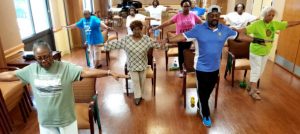
To those of us who work with older adults, it comes as no surprise that falls are the leading cause of fatal and nonfatal injuries among adults 65 and older. Each year, more than one in four adults 65 and older will fall. As Aging Life Care Professionals®, our role is to help clients manage their health, maintain a healthy lifestyle, and improve their quality of life. Our work often includes efforts to reduce falls. …
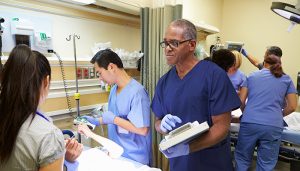
Judy fell and broke her hip. She calls 911. She lacks a medication list. As a result, the hospital team is unaware of her chronic conditions. Her daughter lives far away and doesn’t know if she should fly in.
Accidents by their very nature are unplanned. That doesn’t mean you need to be unprepared for a fall or a serious incident (e.g., a heart attack or stroke).
…