

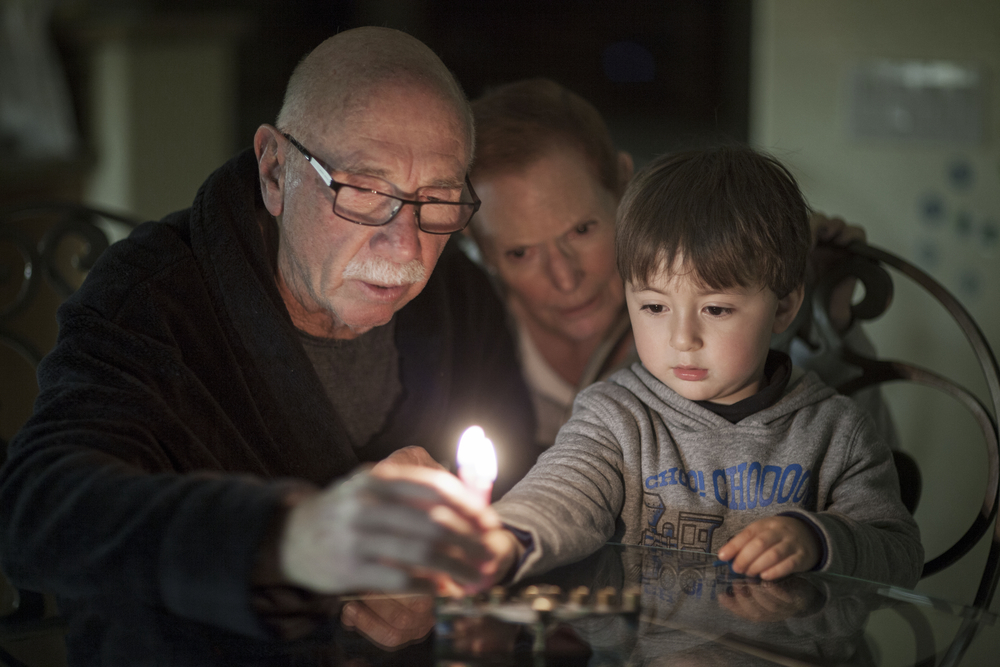
Many of us look forward to holiday gatherings – getting together with family and friends, sharing lively conversation and good food, exchanging gifts, treats, and merrymaking.
But for someone living with Alzheimer’s disease or another form of dementia, all the activity, the people, and associated noise can be very unsettling.
“People who have some sort of dementia, such as Alzheimer’s disease, really benefit from a routine. During the holidays things kind of get ramped up, there are lots of people around, and the routine is not the same and that can cause a lot of stress and confusion,” reflects my colleague Wendy Nathan, a fellow Certified Care Manager here at Aging Wisdom.
Wendy’s advice for holiday gatherings:
- Keep the party small
- Limit the number of people who are around at any given time
- Watch the person in your care for warning signs that it’s simply too much for them
“That would include increased fatigue or just a lot of confusion or maybe even agitation,” Wendy says. “In that case I would take them out of that situation to a quieter place.”
Here are additional tips we encourage families to consider during the holidays:
- Let guests know what to expect before they arrive. If the person in your care is in the early stages of dementia, it’s likely family and friends won’t notice any changes. The person with middle- or late-stage dementia may have trouble following conversation or tend to repeat him- or herself. Family can help with communication by being patient, not interrupting or correcting, and giving the person time to finish his or her thoughts. Make sure visitors understand that changes in behavior and memory are caused by the disability and not the person. Understanding, acceptance, and patience go a long way.
- Adjust expectations.The challenges of caregiving responsibilities combined with holiday expectations can take a toll. Invite family and friends to a conversation ahead of time. Be honest about any limitations or needs, such as keeping a daily routine, or making modifications to plans to minimize holiday stress. The goal here is time together. Your loved one will enjoy the company of friends and family. Let their presence be their present!
- Be good to YOU! This is often the hardest step. But giving yourself permission to do only what you can reasonably manage is one of the most precious gifts you can give yourself. If you’ve always had a large gathering, consider having only a few guests for a simple meal. Let others participate by having a potluck dinner or ask them to host at their home. This is the time to be especially gentle and kind with yourself. This is also a great time to practice saying “No” and pace yourself.
- Involve the person with dementia. Focus on activities, traditions, and memories that are meaningful to the person living with dementia. Your family member may find comfort in singing holiday songs or looking through photo albums. Involve the person in holiday preparation. As abilities allow, invite them to help you decorate, prepare food, set the table, wrap packages, or address holiday cards.
- Maintain a normal routine. Sticking to the person’s normal routine will help keep the holidays from becoming overly stressful or confusing. Plan time for breaks and rest. Make sure to have favorites at the ready: holiday music, movies, clothing, and food. All these familiar favorites can bring comfort and build enjoyment into a holiday celebration.
- Use the buddy system. Plan ahead to have family and friends take turns being the buddy to your loved one. This is a great way to encourage one-on-one time as well as to shield the individual with dementia from distress. It also gives a break to the primary caregiver.
- Have a quiet space reserved. If possible, have a spare room or area reserved as a quiet space if the person in your care becomes noticeably confused or agitated. Have a family member or friend accompany them, keep them company, and help to soothe, comfort, and engage them. Consider playing soft music. Provide a comfortable chair, some holiday treats and small gifts, as well as activities like a family photo album or Beautiful Questions to engage a conversation.
Informing and engaging the collective ahead of the gathering will make for a more successful and inclusive holiday celebration for everyone, especially the person living with Alzheimer’s or another dementia.
And don’t forget that you are a priority too. As I shared earlier, the goal is time together. And a “less is more” mindset can make for a merrier holiday.
Having trouble navigating your role as a family caregiver? It can be complicated. We are the experts guides. We can help. Schedule a free, get-acquainted call today with one of our Certified Care Managers.