

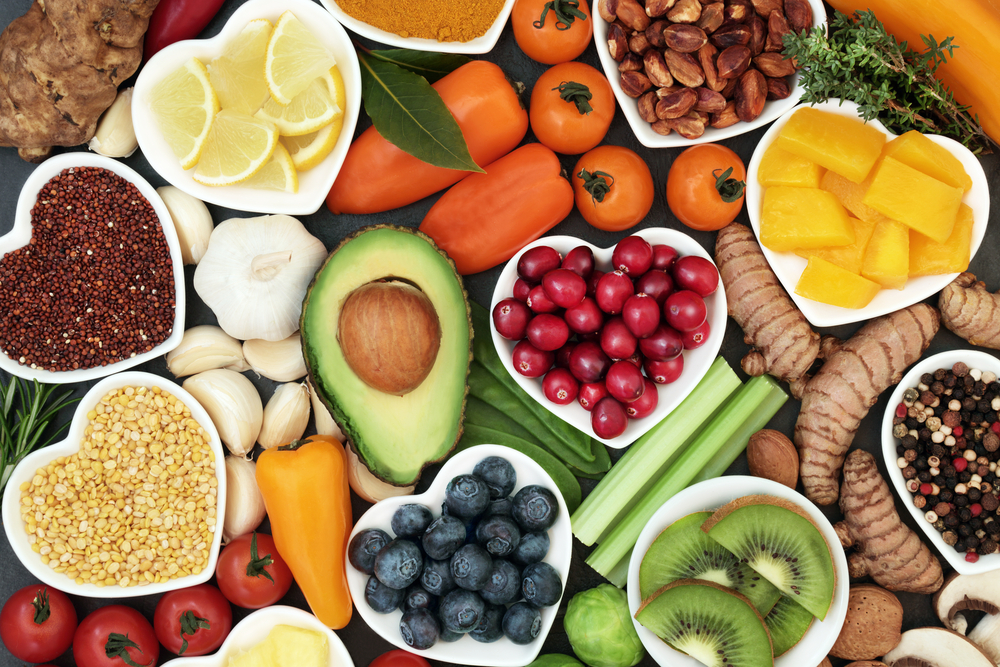
March is Nutrition Month, an invitation to refresh our knowledge of healthful eating using evidence-based guidelines.
Healthy eating across the lifespan is important. As we grow older, nutrition can play an essential role in how we age. The food choices we make play an important role in sustaining health and preventing disease.
Let’s review the recommended approaches for optimal nutrition as we age:
Start with whole foods. Bastyr University and clinics take a holistic approach to health that begins with proper nutrition. Whole foods are those that have not been processed: fresh fruit and vegetables, nuts and seeds, beans and other legumes like lentils, whole grains, and unprocessed meats and fish. Foods that have been processed have added sugars, salt, fats, or any additives. It’s best to minimize consumption of these. The Mediterranean and DASH diets are often cited as providing the best guidelines for optimal nutrition.
Fill half your plate with vegetables and fruits. Eat the rainbow, incorporating a variety of different colored vegetables. Fresh, frozen, and canned vegetables are healthful options too; look for “reduced sodium” or “no-salt-added.” Add fruit to meals, snacks or as dessert. Choose fresh fruits, as well as dried, frozen, or canned in water or 100% juice.
Make at least half your grains whole. Choose breads, cereals, crackers, and noodles made with 100% whole grains, which includes whole grain corn tortillas, brown rice, quinoa, bulgur, millet, farro, amaranth and oats. Look for fiber-rich cereals to help stay regular and cereals that are fortified with vitamin B12, a nutrient that decreases in absorption as we age or due to some medications. B12 plays an important role in cognition, cardiovascular, eye, and bone health as we age.
Eat a variety of protein. Vary foods from the protein food group each week. In addition to lean meat, poultry, eggs, and low-fat cheese or yogurt, switch it up with seafood, nuts, nut butters, beans, peas, and lentils when planning meals. Include a protein with each meal and snack. Protein foods derived from animal sources do provide vitamin B12, and some plant-based foods may be fortified.
Watch sodium, saturated fat, and added sugar intake. Monitor the salt, or sodium, in foods you eat. Have fun adding spices or herbs to food for seasoning without adding salt. Switch to extra virgin olive oil and avocado oil when preparing foods. Select fresh, froze, water or 100% juice packed fruit for dessert in place of treats with added sugars.
Stay hydrated. Drinking plenty of fresh water throughout the day helps prevent dehydration and promotes good digestion. The human adult body is approximately 55 to 60 percent water. Staying hydrated is essential to our health and helping our bodies function optimally. It can also help us feel satiated. Sometimes when we think we are hungry we are dehydrated. Limit sugary drinks and caffeinated beverages too, as they can contribute to dehydration. Hydration: How Much Water Should You Drink Every Day?
Keep an eye on portion size. We need fewer calories as we grow older. Avoid heaping your plate. One way to manage portions is by using smaller plates, bowls, and utensils. Or if you do want to eat larger portions of food, indulge your palate with fresh or lightly steamed, sautéed, or roasted vegetables. Check out the 14 most nutritionally-dense vegetables here.
Adopt a mindful eating practice. By paying attention to hunger and satiety cues and avoiding distraction such as TV or electronic devices during meals, we can instead focus on the sensory experience and joy of eating. Chewing food thoroughly aids in digestion and gives our bodies time to signal when satisfied.
An eating routine that incorporates a variety of foods, especially vegetables, fruits, whole grains, those high in fiber, and lean sources of protein contributes to our overall well-being. Hydration, portion size, watching salt and sodium intake, along with mindful eating practices help too. Here’s to better health through nutrition!
Looking to adopt healthier eating habits as part of your positive aging plan? We consult with and make referrals to dietitians and culinary experts on behalf of our clients.
Click here to schedule a get-acquainted call with one of our Certified Care Managers.