
It’s Falls Prevention Week, an opportunity to refresh our knowledge of falls risk and how best to prevent them.
Why is this important? According to the Centers for Disease Control and Prevention, falls are the most common reason for visits to the emergency department (ED), as well as the leading cause of fatal and nonfatal injuries for older Americans. More than 95% of hip fractures are caused by falls.
This should give us all pause.
Typically, there’s no single cause of a fall but an array of factors, including balance or gait difficulties, medication side effects, alcohol consumption, rapid blood pressure changes, and visual impairments.
It’s also important to be mindful of interior and exterior lighting, removing tripping hazards, creating clear paths for walking, installing grab bars, making stairways non-slip, and installing handrails.
But of note in the research on falls and falls prevention is the significant and positive impact and importance of physical fitness, regular vision check-ups, and  having honest conversations and partnering with your healthcare provider.
In his book Enlightened Aging: Building Resilience for a Long, Active Life, Eric Larson, MD, MHP, executive director emeritus for Kaiser Permanente (formerly Group Health) Washington Health Research Institute, dedicates a full chapter to “Building Your Physical Reserves” (pgs 103-139).
He begins the chapter with a story about his mom and how a series of mishaps, beginning with a fall at an outdoor wedding resulting in a broken ankle, contributed to a cascade of other falls over a five-year period resulting in additional bone fractures. Osteoporosis was a contributing factor in the fractures.
However, it wasn’t until his mom’s doctor recommended exercising every day that her bone fractures stopped. The physical activity of daily walking and leg-strengthening exercises contributed to muscle strength and improved balance, which in turn resulted in no falls.
If you or someone you care about is a bit unsteady on their feet, or you’re concerned about falls, the goal is to find an approach that will improve strength, stability, and balance.
- Stay physically active.
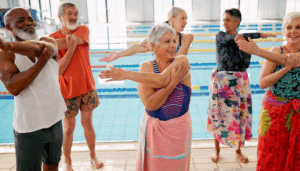
- Daily exercise such as walking, bicycling, or swimming can help build muscle and aid balance. Strengthen muscles that keep the ankles strong and
 flexible.
 - Wear sturdy, comfortable, non-slip shoes that fit correctly to help with mobility and balance.
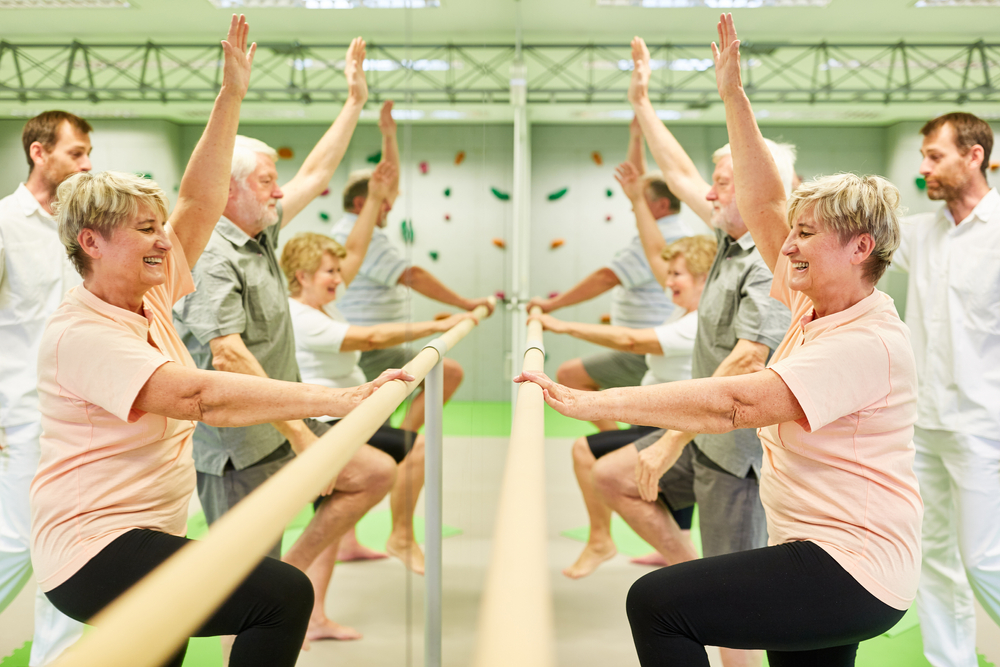
- Adding activities such as yoga, tai chi, or Pilates also help build strength and balance. Improved physical and mental well-being are bonus outcomes.
- Check the activity calendar at your local community or senior center for exercise and dance classes. Social engagement is an added benefit.
- Daily exercise such as walking, bicycling, or swimming can help build muscle and aid balance. Strengthen muscles that keep the ankles strong and
- Partner with your healthcare provider.
- Be your own best advocate with open and honest conversations about concerns, especially if you’ve had a fall.
- Check your medications and supplements. Share any concerns you may have about side effects such as dizziness or drowsiness. This recent “The New Old Age” column in the New York Times addresses the rising mortality from falls resulting from increased use of medications: Why Are More Older People Dying After Falls?
- Follow through with any referrals to specialists or specialties such as Physical Therapy. Physical therapists (PT) can help with a falls assessment, a tailored fitness program, and correct use of assistive devices such as a walker or cane.
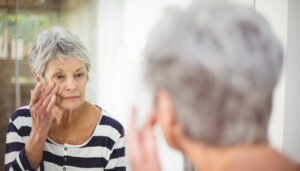
- Get your vision checked regularly.
- Get a dilated eye examat least once a year. If you wear glasses, it assures your prescription is up to date; it also reduces the risk of irreversible
 vision loss.
 - Wear glasses properly. If you have prescription lens, wear them regularly. Don’t wear sunglasses indoors.
- Use caution while wearing bifocals. Bifocals can blur vision while navigation steps, curbs, and edges. Tuck your chin in to use the distance portion of your glasses for a clearer view when stepping over curbs and using stairs.
- Light the way. Make sure interior and exteriors walkways and pathways are well-lit for safe navigation.
- Get a dilated eye examat least once a year. If you wear glasses, it assures your prescription is up to date; it also reduces the risk of irreversible
Additional Reading & Resources:
- Fall Prevention: Top tips to lower your risk (Aging Wisdom article)
- Sit-to-stand: The simple test that reveals how you’re aging (BBC.com)
- National Council on Aging Falls Free CheckUp (NCOA)
Do you want to mitigate your fall risk? You may benefit from a Falls Risk and Home Assessment. Schedule a get-acquainted call today with one of Aging Wisdom’s Certified Care Managers today to explore the benefits.