

Author: Aging Wisdom

Can two households be better than one? In a trend called “living apart together” (LAT), a growing number of older couples are experimenting with committed relationships that also allow for autonomy. …

If you are used to having an “annual physical” and ask for that, original Medicare won’t pay for it. That is, original Medicare won’t pay doctors to do a general physical exam “to see what turns up”; you’ll pay out of pocket. (Medicare Advantage might have this as an “extra.” Check with your plan.) …

We tend to think friendships should grow organically. They don’t. Particularly in our later years, when we often lose friends—to death, illness, or moving away—we need to be much more intentional about making new ones.
This is especially so for “solo agers,” those without children and grandchildren. The younger generations in the family typically make up a large portion of the average older adult’s social network. …

When Medicare first began in 1965, the idea was that it was for everyone over age 65, not just those who were poor. There would be no stigma.
Things are different now. We live longer. Medical costs are rising. In 2003, Congress decided that those with higher incomes should chip in extra to share the load. This extra is called the “income-related monthly adjustment amount” (IRMAA). …

“The right to vote is one of the most sacred privileges in a representative democracy and it should be available to all citizens, whether they are cognitively impaired or unimpaired.” ~ American Bar Association Committee on Law and Aging …
The Right to Vote and Cognitive Impairment (updated*)Read More »
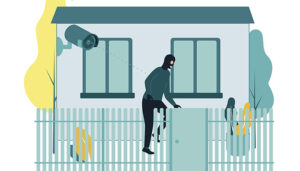
Seniors experience property crime thirteen times more often than violent crime.
Burglary is the most common. (Interestingly, it typically occurs between noon and 4:00 pm!)
The average loss is roughly $3,000, although that does not account for the emotional impact: A profound sense of violation and vulnerability. …

“An ounce of prevention is worth a pound of cure.” ~ Benjamin Franklin
Family caregivers, we see you. There are medical appointments to schedule, insurance invoices to reconcile, medication to administer, groceries to buy, meals to prepare, laundry to wash. You also have a home to maintain, and the car needs an oil change and tires rotated. There are finances to manage and bills to pay. All this in addition to caring for your partner or parent. And if you’re lucky, you can get some respite and a little self-care time.
Amid daily responsibilities and within your role as a care partner, do you also find yourself worrying about who would manage all this on behalf of the person in your care if something were to happen to you? …
Contingency Planning: What if Something Happens to You?Read More »

There are many advantages to having a housemate: Defraying expenses. Sharing household chores. Help with transportation. Companionship. Increased safety. Peace of mind. In a survey of older adults who shared their homes, 50% said that since gaining a housemate, they are happier, sleep better, are getting out more, and they call upon their families less for help. Homesharing is a viable option for aging in place. …

Being proactive by giving serious consideration to long-term care planning provides peace of mind and frees you to fulfill goals as you grow older. Why is this planning important? …
3 Questions You Should Ask about Long-Term Care PlanningRead More »

Once you’ve decided it’s unwise to give or lend money to adult children—or grandchildren—think through how you want to communicate your decision.
Money is often equated with love. Even if this is a loving decision (e.g., you’ve determined that giving or lending them money is encouraging something unhealthy), how and when you decline is important for the future of your relationship. …