
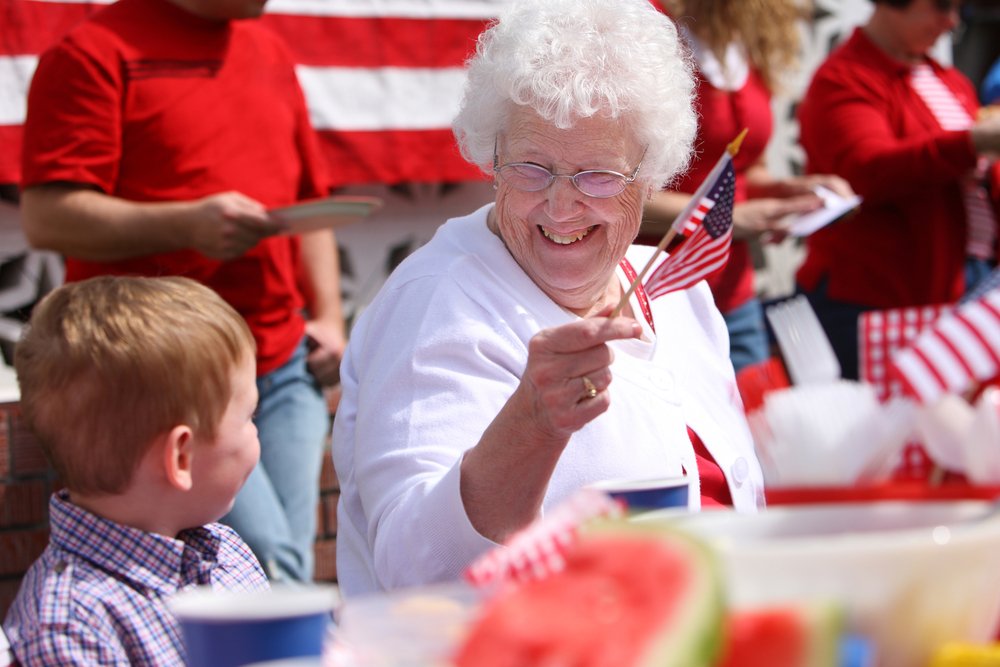
Summer celebrations are upon — Independence Day, family reunions, graduations, weddings. All are wonderful opportunities to gather, though often filled with high expectations, requiring lots of energy and engagement. For individuals and families living with dementia, it can be challenging. A time of high anxiety.
To minimize anxiety and encourage an inclusive, more enjoyable holiday and gatherings for all, a little advance planning can go a long way in ensuring everyone has a wonderful time.
Here are some tips to plan a get together that is comfortable and inclusive, especially if someone you care for is living with dementia:
Adjust and set expectations ahead of the gathering. The challenges of caregiving responsibilities combined with expectations can take a toll. Invite those who will be attending to a conversation ahead of time. Be honest about any limitations or needs, such as keeping a daily routine, or making modifications to plans to minimize holiday stress. The goal here is time together.
Let guests know what to expect beforehand. If your loved one is in the early stages of dementia, it’s likely family and friends won’t notice any changes. The person with middle- or late-stage dementia may have trouble following conversations or tend to repeat themselves. Family can help with communication by being patient, not interrupting or correcting, and giving the person time to finish his or her thoughts. Make sure visitors understand that changes in behavior and memory are caused by the disability and not the person. Understanding, acceptance, and patience go a long way.
Be good to YOU! This is often the hardest step. But giving yourself permission to do only what you can reasonably manage is one of the most precious gifts you can give yourself. If you’ve always had a large group at your home, consider having only a few guests for a simple meal. Let others participate by having a potluck dinner or ask them to host at their home. This is the time to be especially gentle and kind with yourself. This is also a great time to practice saying “No” and pace yourself. Self-Care is Not Selfish: It’s Essential for Family Caregiver Well-Being
Involve the person with dementia. Focus on activities, traditions, and memories that are meaningful to the person living with dementia. As abilities allow, invite them to help you decorate, plan the menu, prepare food, and set the table. Do they love fishing, swimming, playing board or card games, horseshoes, or croquette? Think of how you can modify these activities to accommodate your loved one if traditional approaches jeopardize safety or are too involved.
Pace activities and engagement.Be mindful of what your loved one living with dementia participates in if a long gathering would be too overwhelming. For example, maybe they need more structure and can join the gathering for the cookout, but head home before the fireworks. Be careful about exposure to backyard fireworks or taking them a fireworks display. Explosions, loud noises, and smoke, combined with the dark and the animated voices of those around them can be anxiety-provoking.
Maintain as normal a routine as possible. Respecting the normal routine will help keep the 4th of July from becoming overly stressful or confusing for the person in your care. Plan time for breaks and rest. Stay hydrated and out of the direct sun and heat. Make sure to have favorites at the ready such a cold beverage, chilled fruit, topics of conversation, and music. All these familiar favorites can bring comfort and build enjoyment into the celebration. Have fun with this, make your own rules!
Use the buddy system. Have family and friends take turns being the buddy to the person in your care. This is a great way to encourage one-on-one time as well as to shield the individual with dementia from distress. It also gives the primary caregiver a break.
By setting realistic expectations, involving others, maintaining a routine, and keeping activities and traditions to a select few, you can ensure yourself, your loved one, and family and friends a low stress, inclusive, and successful get together. Remember that soical gatherings, at their best, are a time to enjoy one another’s company.
Whatever brings you together this summer, taking time to make sure guests of all ages are included and safe helps the older adult in your care stay socially engaged and enjoy a better quality of life.
Worried about changes in the person in your care? Not sure how best to move forward. We can help. Click here to schedule a free, get-acquainted call with us today.