
If you are caring for someone living with a progressive condition or a change in health or cognition, you have likely heard the phrase person-centered care.
Person-centered care is the foundation of our Creative Engagement program, which is built on the core values of purpose, respect, and exquisite listening. A person-centered approach focuses on an individual’s preferences, goals, and needs. This approach makes sure that individuals living with dementia or other health changes can take part in what they value and enjoy.
We extend invitations to participate. We do not assume to know what our clients want, and we involve our clients in decision-making as we tailor projects and outings to their preferences. We ask for feedback. We observe body language and make eye contact. We allow for feelings to be expressed and then validate those feelings.
These meaningful experiences tap into each person’s uniqueness, providing intentional connections that reduce social isolation, enhance well-being, and increase self-esteem.
Here are some examples of how this person-centered approach works:
Bringing Joy
Laughter can decrease stress, soothe tension, and release endorphins. Joy and laughter can have a profound impact on quality of life. We take pride in bringing the joy! It fosters a sense of well-being and connection.
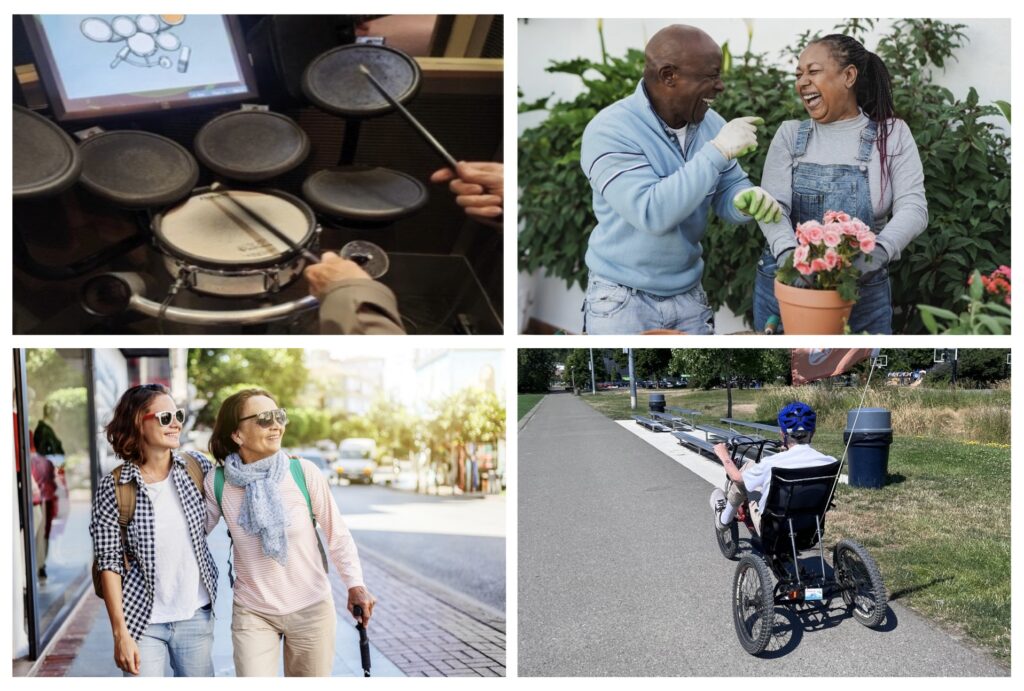
- A “Mr. Fix It” client relies on his weekly Creative Engagement visit for a meal out and a stop by his local hardware store. He is constantly tinkering with things in his memory care apartment, mending items and tending to his plants. Enjoying a social outing for lunch and catching up with the salespeople at the hardware store brings him joy and purpose.
- A client with a lifelong love for musicals and comedies often breaks into song during Creative Engagement visits. “Do Re Mi” and their high school fight song are most repeated. Any mention of Mel Brooks receives an enthusiastic response, too. With one-on-one tailored engagement, the client smiles brightly and jokes with their Creative Engagement Specialist.
RESULTS: Reconnect and harness what brings a smile, a chuckle, and pure joy through art, music, and experiences.
Cultivating Purpose
The drive for purpose is a natural human inclination. The desire to be an active member in our homes and community doesn’t dissipate with age or circumstance. Creating meaningful and engaging projects tailored to abilities and interests nurtures and builds a sense of purpose.
- A client who ran a service-oriented family business for many years now volunteers time through a service group facilitated by a local senior center. Projects include assembling hygiene kits for a human services organization supporting unhoused neighbors and gardening projects at neighborhood public spaces.
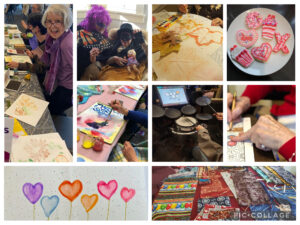
- Expressing joy through art, another client regularly engages in rock painting with a Creative Engagement Specialist. These art sessions are animated with stories, singing, and plans for sharing their creations. They take a walk around the neighborhood and leave the artful rocks for others to discover and enjoy.
RESULTS: Maintaining and enhancing dignity, autonomy, and self-esteem while benefiting quality of life and overall well-being.
Nurturing Transformation
Dementia can impair cognitive functions like memory, reasoning, and emotional regulation, which may contribute to perseveration and feelings of confusion and fear. Recognizing and soothing anxiety in someone living with dementia requires a compassionate, patient, and individualized approach.
- A recent move from home to an assisted living apartment caused extreme anxiety for one client. She felt she had lost her autonomy. With regular visits from a Creative Engagement Specialist (CES), the client received one-on-one attention to express her frustrations and receive validation. CES helped the client to reduce clutter, organize a music player, and hang her favorite art on the walls. The client’s anxiety was reduced when she felt more at home in her new apartment with her own art & music and had a weekly visit with a someone she trusted.
- Lifelong anxiety and mental health struggles can be exacerbated by ill health and loneliness. One client found herself to be more anxious as she grew older. She continued to see her mental health professional and added a Creative Engagement Specialist visit. CES encouraged nature outings and breaking the cycle of anxiety within the client’s home. CES and the client took walks while the client shared her concerns, and CES validated her feelings. They visited familiar places that brought back memories of happier times. After weeks of visits, the client could engage with her family more healthily as she received direct attention and validation weekly.
- Lifting Depression. Doug was his wife’s devoted caregiver during her journey with Alzheimer’s. After her death, Doug was grieving and depressed. One day, he expressed interest in learning to sing. Creative Engagement visits began, focused on music and singing. His grief and depression lifted, and his self-confidence rose. Doug’s doctor commented on his improved balance, due to drinking more water during his voice lessons with his CES He performs a cappella for his fellow residents in his assisted living community regularly.
RESULTS: Reduced anxiety with nurturing a safe, familiar presence through patience, routine, clear communication, and maximizing comfort.
Joy, meaning, and purpose can easily get overlooked as we age or live with a difficult diagnosis. We understand how critical it is to stay engaged at every stage of life. Our Creative Engagement Program is a person-centered, evidence-based practice providing one-on-one, personally tailored engagement focused on enhancing quality of life and well-being.
Additional Reading and Encouragement