

The foundation of Aging Wisdom’s Creative Engagement program is person-centered care, which is built with core values of purpose, respect, and exquisite listening1.
If you are a caregiver, a great start to person-centered care is centering yourself first. You’ve probably heard that caregivers need to take care of themselves to care well for their loved one. And it is true! By clearing your head before focusing on the person in your care and an activity, you are better equipped to meet them where they are and show greater patience. You can do this with a brief walk, a brisk dance to a favorite song, or intentional breathing.
<Family Caregivers: Don’t Let Your Flame Fizzle>
Purpose
Purpose can be an overlooked yet integral ingredient to an older adult’s day – particularly for those living with dementia or other health challenges. Well-meaning family members and friends will take over chores and activities – often telling the older adult “don’t worry – I’ve got it!”
While this feels like the right thing to do, the older adult may feel they do not have a purpose or not contributing to the upkeep of the home, as they have for decades. Providing opportunities to help with setting the table or folding laundry can provide a boost in self-esteem.
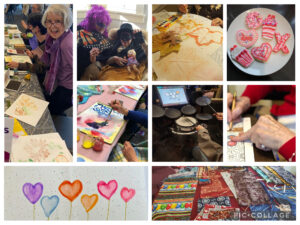
Focus on their strengths and abilities to find activities with purpose. If you need to demonstrate, slow down and demonstrate more – talk less – while leaning on visual hints and cues. Our Creative Engagement Specialists keep purpose top of mind when engaging with clients in activities like arranging flowers for a dinner centerpiece or painting an image in watercolor to mail to a friend in another state.
Respect
Respect is incredibly important to everyone’s well-being. If we do not feel respected, we can feel less worthy or sad. Recognize each person’s uniqueness and celebrate it! Speak to older adults at eye-level (not looking down) and maintain eye contact.
Pay attention to body language. For those who have lost some verbal abilities, body language is key, so pay close attention to those expressions.
Don’t assume to know what the older adult wants – extend an invitation to participate in a project with you. Providing choices in a “this or that” format can simplify options while maintaining autonomy for those living with dementia. “Would you like to play checkers or take a walk?” And ask if they’ve enjoyed an activity afterwards, “Would you like to do this again?”
Exquisite listening
Overlapping with respect is exquisite listening. Don’t just listen to respond. Rephrase what they’ve shared to show your understanding and mirror their pitch, tempo, and volume. This can help build trust, reduce anxiety and restore their dignity. Most of us just want to be heard!
Allow for painful feelings to be expressed – even if they are crying – don’t distract or re-direct. Painful feelings that are ignored or suppressed gain strength – those that are acknowledged and validated will diminish.
Treating a person with dignity and respect, while providing opportunities and experiences that bring them joy, a sense of purpose, and meaningful connection enhances well-being.
Each day in our Creative Engagement practice we witness the enriching benefits of prioritizing person-centered care with our clients. This approach ensures individuals living with dementia or other health changes can participate in what they value and enjoy.
- ‘Exquisite listening’ is an approach which emphasizes the quality and not the quantity of interaction time.