


Using medications and supplements appropriately optimizes their efficacy. Taking them as prescribed also helps avoid unwanted side effects and interactions.
Whether you’re managing prescriptions, over-the-counter medications, or herbal remedies for yourself or an older adult in your care, these four tips will help you manage medications properly and optimize safety. …

Seniors experience property crime thirteen times more often than violent crime.
Burglary is the most common. (Interestingly, it typically occurs between noon and 4:00 pm!)
The average loss is roughly $3,000, although that does not account for the emotional impact: A profound sense of violation and vulnerability. …
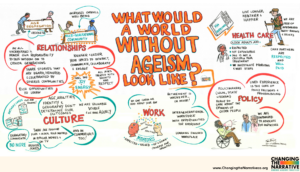
Ageism is one of the most widespread and socially accepted forms of prejudice. As defined by the World Health Organization, ageism is “the stereotypes (how we think), prejudice (how we feel) and discrimination (how we act) towards others or oneself based on age.” …

“An ounce of prevention is worth a pound of cure.” ~ Benjamin Franklin
Family caregivers, we see you. There are medical appointments to schedule, insurance invoices to reconcile, medication to administer, groceries to buy, meals to prepare, laundry to wash. You also have a home to maintain, and the car needs an oil change and tires rotated. There are finances to manage and bills to pay. All this in addition to caring for your partner or parent. And if you’re lucky, you can get some respite and a little self-care time.
Amid daily responsibilities and within your role as a care partner, do you also find yourself worrying about who would manage all this on behalf of the person in your care if something were to happen to you? …
Contingency Planning: What if Something Happens to You?Read More »
Falls among older adults continue to be a national public health concern. Fall-related injuries are the most common reason for visits to the Emergency Department by adults 65 and older. Falls remain the leading cause of injury or death for older Americans.
It is Falls Prevention Awareness Week, a nationwide observance sponsored annually by the National Council on Aging in partnership with the Administration on Community Living. Their objectives are to raise awareness on preventing falls, reducing the risk of falls, and helping older adults live without fear of falling.
This year’s theme is From Awareness to Action. …

“Allow nature’s peace to flow into you as sunshine flows into trees.” ~John Muir
In the Pacific Northwest, we relish our weather and enjoy an abundance of accessible, free parks, green spaces, beaches, and vistas. Rain doesn’t stop us from enjoying nature and being outdoors. We know the value of good rain gear, as there’s no bad weather, just inappropriate clothing!
At Aging Wisdom, through our care management practice and creative engagement program, we understand the many benefits and the value of nature-based activities. The documented, evidence-based health benefits are abundant, especially for older adults. Planning outdoor activities and time to connect with nature with our clients is common.
Our work is rooted in helping others live well, care well, and age well. …
Biophilia*: The Benefits of Connecting with NatureRead More »

There are many advantages to having a housemate: Defraying expenses. Sharing household chores. Help with transportation. Companionship. Increased safety. Peace of mind. In a survey of older adults who shared their homes, 50% said that since gaining a housemate, they are happier, sleep better, are getting out more, and they call upon their families less for help. Homesharing is a viable option for aging in place. …

Being proactive by giving serious consideration to long-term care planning provides peace of mind and frees you to fulfill goals as you grow older. Why is this planning important? …
3 Questions You Should Ask about Long-Term Care PlanningRead More »

“I was greatly elated by the discovery that there is a physiologic basis for the ancient theory that laughter is good medicine,” wrote Norman Cousins. …

Unexpected health changes that require long-term care can occur at any age, though the likelihood increases with age. Someone turning age 65 today has a 70% chance of needing long-term care services and supports as they grow older, according to the U.S. Administration on Aging.
I’m sure you know someone who has assisted an aging parent navigate a health challenge. It was likely a stressful situation because their parents had not made plans for long-term care, refused help, and left their adult children to pick up the pieces during a crisis.
This scenario is all too common and why long-term care planning is essential, so your family is not burdened by your potential health, memory, or mobility changes.
Now is the perfect time to make sure you are well set for the future. Planning doesn’t have to be onerous; it will bring peace of mind and allow you to focus on what matters most.
…