


If you are used to having an “annual physical” and ask for that, original Medicare won’t pay for it. That is, original Medicare won’t pay doctors to do a general physical exam “to see what turns up”; you’ll pay out of pocket. (Medicare Advantage might have this as an “extra.” Check with your plan.) …

As we grow older, it’s not unusual to have trouble finding the right word or recalling a name on occasion. If trouble with word-finding or recall persists, or performing everyday task like meal preparation or managing bills becomes uncharacteristically difficult, it might be a sign of something more serious.
It’s important to stress that not every older adult with memory problems has dementia, and Alzheimer’s and other forms of dementia are not a normal part of aging. …
Memory and Forgetfulness: What’s Normal, What’s NotRead More »

Clutter, candles, and cooking, oh my! Use this checklist for holiday safety and peace of mind.
As you plan for holiday gatherings and activities, don’t overlook potential safety hazards in your home. Often, it’s the simple details which are overlooked that can send the holidays from celebration to chaos in short order. …

As a family caregiver, whether you are a spouse, partner, adult child, or friend, you know the journey is not an over-and-done scenario, it’s a marathon. The key to a successful marathon is planning, preparing, and pacing.
This especially applies to special occasions, which typically take more energy and thought.
Care partners, this is your opportunity to prioritize your health and needs, as well as those of the person in your care. This isn’t always comfortable, but it’s key to making the holidays (as well as the day-to-day) less stressful and more joyful. …

We tend to think friendships should grow organically. They don’t. Particularly in our later years, when we often lose friends—to death, illness, or moving away—we need to be much more intentional about making new ones.
This is especially so for “solo agers,” those without children and grandchildren. The younger generations in the family typically make up a large portion of the average older adult’s social network. …
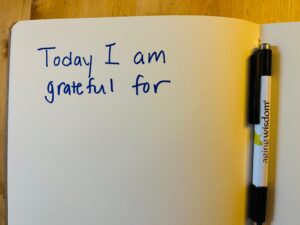
“Gratitude is associated with a personal benefit that was not intentionally sought after, deserved, or earned but rather because of the good intentions of another person” (Emmons & McCullough, 2004). …

When Medicare first began in 1965, the idea was that it was for everyone over age 65, not just those who were poor. There would be no stigma.
Things are different now. We live longer. Medical costs are rising. In 2003, Congress decided that those with higher incomes should chip in extra to share the load. This extra is called the “income-related monthly adjustment amount” (IRMAA). …

November is National Hospice Awareness Month, an opportunity to learn more about this often misunderstood but important service and support.
The recent announcement by former U.S. President Jimmy Carter’s family* that he’s entered hospice care has helped familiarize many of us with hospice care, providing an opportunity for us all to get educated on the benefits that hospice can offer. *Since we posted this article, the Carter family has more recently shared that former First Lady Rosalynn Carter has also entered hospice care.
Understanding end-of-life care options can be essential to making informed decisions. …
“Aging is not lost youth but a new stage of opportunity and strength.” ~Betty Friedan
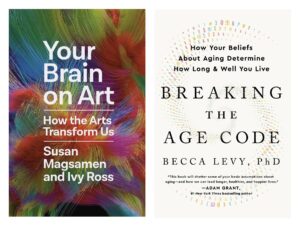
Our team at Aging Wisdom are avid readers. It’s not uncommon for us to routinely share books, ideas that have sprung from reading, or to attend author events for that extra infusion of inspiration.
Reading, discussing, and brainstorming affirms our work as Care Managers and Creative Engagement Specialists. We also discover new ways to support clients in navigating options for living, caring, and aging well. …

“The right to vote is one of the most sacred privileges in a representative democracy and it should be available to all citizens, whether they are cognitively impaired or unimpaired.” ~ American Bar Association Committee on Law and Aging …
The Right to Vote and Cognitive Impairment (updated*)Read More »