


What is stress? A common definition is “physical, mental, or emotional strain or tension.” Another popular definition is “a condition or feeling experienced when a person perceives that demands exceed the personal and social resources the individual is able to mobilize.” (For more information, visit The American Institute of Stress).
Stress is a ubiquitous part of life, impacting each of us differently. It’s the body’s normal response to change or a threat. Too much stress, especially if chronic, can impact mental health and overall well-being. …

Do you feel defensive when your kids visit? Notice them exchanging knowing glances when you don’t recall a date or name?
Perhaps you feel reluctant to approach them when you do have concerns, because they overreact. So you keep your distance. That isn’t good, either.
It’s a fine line between feeling that your adult children love you and want to protect you, and feeling smothered or even invalidated by them in terms of your competence and self-sufficiency.
Noted geriatrician and author Atul Gawande, MD, observes that while adult children worry most about safety, older adults worry about autonomy and independence. Put another way: Adult children think in terms of “caring for.” Older adults prefer to be “cared about.”
…

Research supports how small, manageable lifestyle changes can be powerful, lasting ways to improve brain health and reduce your risk of developing dementia. It is never too late to start.
You have likely adopted many of these healthy habits already. Congratulations and keep up the good work! Any change you make to positively impact brain health will also benefit your physical, emotional, mental, and cognitive health. And who doesn’t want to feel better? …
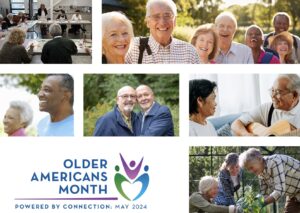
May is Older Americans Month (OAM). This year’s OAM theme is Powered by Connection, recognizing “the profound impact that meaningful relationships and social connections have on our health and well-being.”
As Aging Life Care professionals and Creative Engagement Specialists, we understand how vital meaningful relationships and social connections are to quality of life and individual well-being, especially as we age. This is supported by research and our experiences working with clients and other older adults and their supports. …

It might feel scary to tell others if you’ve been diagnosed with dementia or even just mild cognitive impairment (MCI). Start with those you think will be the most supportive. Perhaps close family and friends. …

May is Aging Life Care Month, an opportunity to celebrate our profession! We love our work.
What is an Aging Life Care Professional (aka Care Manager)?
We are health and human services specialists who act as guides and advocates for individuals and couples who are planning for themselves, and others, such as families, chosen families, and friends caring for older or disabled adults. …
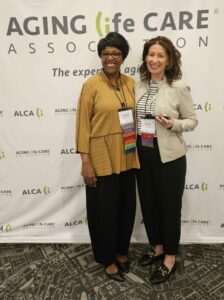
 Today we celebrate our colleague Nicole Amico Kane, Director of Care Management. This month marks Nicole’s ten-year work anniversary at Aging Wisdom.
Nicole oversees our care management team as mentor, director, and visionary leader. She also guides and mentors our University of Washington social work student interns. In addition, Nicole frequently makes informative and empowering presentations in the community.
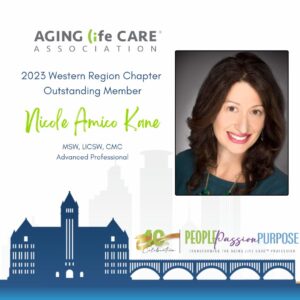 Recently, Nicole was recognized as Outstanding Chapter Member of the Year by the Western Region Chapter (WRC) of our professional association, the Aging Life Care Association (ALCA), during the ALCA annual conference held in Minneapolis. …

The heart of our mission* at Aging Wisdom is to support positive aging and help our clients to live well, care well, and age well. This applies to everyone, regardless of “race, color, gender, gender identity, gender expression, marital status, sexual orientation, political ideology, age, creed, religion, heritage, ancestry, national origin, or sensory, mental or physical ability.”1 …

Integrated and personalized care is at the core of our work as Aging Life Care Professionals (AKA Care Managers). A person-centered approach is how we best meet the needs of our clients.
There are proven methods for managing symptoms and optimizing care so the person living with Parkinson’s can maintain as much autonomy as possible.
Care management yields positive effects on an individual’s health outcomes, health care utilization, quality of life, and overall well-being, all while addressing the unique needs of their care partners. …
Parkinson’s Disease: The benefits of integrated, personalized care planningRead More »

Your healthcare power of attorney (HCPOA) is an individual you trust to speak for you when you are unable to voice your own decisions: A car accident, surgery, coma, dementia.
In such circumstances, doctors need someone who knows you well and has had conversations with you to guide them in terms of the medical procedures you would or would not want. …