


As we transition from summer to fall, the seasonal change serves as a good reminder to brush up on Fall Prevention. Preventing and reducing the risk of falls, and helping older adults live without fear of falling is essential.
Falls remain the leading cause of injury and death for people age 65+. Implementing fall prevention steps can go a long way to improve safety and support independence.
Fortunately, most falls can be prevented. Understanding the common factors that cause or contribute to falls is a good place to start: …
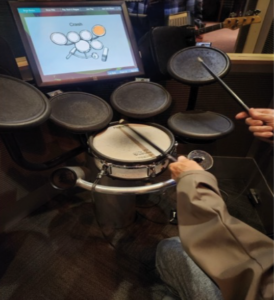
On any given weekday, my Creative Engagement colleagues are tapping into the richness of clients’ interests, histories, talents, and strengths. These intentional connections help reduce social isolation and loneliness, renew purpose, increase self-esteem, engage the senses, and spark joy. …

Deciding how to divide assets among one’s children is often challenging. The challenges only multiply in a step- or blended family situation. Today, about one-quarter of all marriages include stepchildren. Among remarried couples, almost two-thirds involve children from a previous relationship.
Blended families can look like any other family, but the dynamics are very different, emotionally and legally. …

A diagnosis of Alzheimer’s disease or another dementia can be difficult. Getting accurate information and dependable guidance and support is essential. Planning for health care, financial, and long-term care decisions brings peace of mind.
As Aging Life Care professionals, we focus on clients’ well-being and quality of life. We also understand the value of clients being informed and prepared, especially when health, cognition, or other circumstances change.
Preparation emerges as the key to embracing the evolving chapters of life while maintaining a sense of control and independence. …
Planning for the Future Following an Alzheimer’s DiagnosisRead More »

There are currently over 4 million active podcasts, which is a testament to their popularity. Podcasts cover a wide range of topics from cooking, the arts, and politics to book reviews, health, and family caregiving.
Whether you are new to the family caregiver journey or finding your stride, podcasts can offer a beneficial listening experience that’s accessible and available at your convenience. Podcasts can offer encouragement, smart insights, and useful ideas. …
Supportive and insightful podcasts for family caregiversRead More »

Are you reflecting on life and its lessons? With so many options for self-publishing, writing a memoir may appeal. The process generates a new perspective on the meaning of one’s life. The end result lets future generations learn about you and their forebears. Find writing kits and courses online, such as Writers.com.
One thought to consider: Creating a chronological review can be unwieldy. It suggests you’ll present things with accuracy. Besides, recounting dates, locations, and events is just not fun or inspirational! Plus, you may have concerns about offending someone in the way you tell your stories. That can leach the joy out of the project. …

Some physical, emotional, and cognitive changes are likely as we grow older. When these changes interfere with safety, self-care, and personal well-being, it may indicate a need for assistance.
Here are six common signs that reveal an older adult may need help: …
Signs an Older Person You Care About May Need HelpRead More »

A “screening” is a general test to look for signs of a problem. Because early detection makes a huge difference in your ability to recover from any disease or condition, Medicare and Medicare Advantage plans use screening tests for many health issues. Often these tests are 100% covered—no copayments. But you must fit eligibility criteria. The criteria usually involve age, symptoms, and/or a family history that puts you at risk. …

The National Weather Service has issued a Heat Advisory for much of western Washington beginning Friday afternoon (July 5) as temperatures should approach and even exceed 90 degrees over the weekend.
Summer is officially here. The weather forecast has us bracing for some hot weather. During the hottest months, dehydration is one of the most frequent diagnoses leading to hospitalization for older adults. According to the National Institutes on Health, “Older adults are particularly vulnerable to heat-related complications because of the declining ability of the body to thermo-regulate with age, as well as because of social/behavioral factors, such as increased likelihood of living alone, being homebound, or taking medications that interfere with fluid balance.”
Here are some tips to help stay cool and minimize risk of dehydration and heat-related illness. …

This month as we celebrate Pride, we at Aging Wisdom want to highlight some meaningful moments our Creative Engagement Specialists have had connecting with our lesbian, gay, bisexual, transgender, and queer (LGBTQ+) older adult clients through tailored, personalized engagement. …