


March is Nutrition Month, an invitation to refresh our knowledge of healthful eating using evidence-based guidelines.
Healthy eating across the lifespan is important. As we grow older, nutrition can play an essential role in how we age. The food choices we make play an important role in sustaining health and preventing disease. …
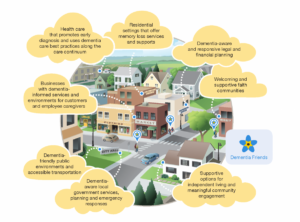
“It feels so isolating.” This is a common refrain I hear when talking to family care partners of persons living with dementia.
In surveys, support groups, and personal conversations, spouses, partners, and adult children caring for someone living with dementia express the need for a variety of services, especially for social and emotional supports. …
Changing the way people think, act, and talk about dementiaRead More »

Updated March 4, 2024; previously published April 14, 2021
Being caught in a tax scam can happen to anyone, even though most of us think we’re too smart to get fleeced. Unfortunately, even the most cautious person can get ripped off. When older adults are defrauded, the effects can be devastating.
One insidious fraud making the rounds during tax season involves IRS impersonators. Swindlers claiming to be from the IRS tell intended victims they owe taxes and must pay using a pre-paid debit card, money order or a wire transfer. They threaten those who refuse to pay with a grand jury indictment, immediate arrest, deportation or loss of a business or driver’s license. …
IRS Impersonators & Tax Scams Targeting Older AdultsRead More »

Life plan communities—sometimes called “continuing care retirement communities” (CCRCs)—are private communities that offer residents a full range of care levels, depending on need. For those in independent living, amenities such as a golf course, gym, pool, and tennis and pickle ball courts are typically provided. Some communities even offer college-level classes, a salon, and grocery store. …

Respite, as defined by Merriam-Webster, is “an interval of rest or relief.”
We all need rest, a break from the daily demands of life. This is especially true for family care partners. Respite is a necessity that is often overlooked, yet it is an essential part of every caregiver’s own care. …

Can two households be better than one? In a trend called “living apart together” (LAT), a growing number of older couples are experimenting with committed relationships that also allow for autonomy. …

February is Heart Health Month and February 2, is Go Red for Women Day, the American Heart Association’s signature women’s initiative to increase awareness about cardiovascular disease.
Over 60 million women in the U.S. are living with some form of heart disease, according to the Centers for Disease Control and Prevention (CDC). Heart disease is the leading cause of death for women and can affect women at any age.
In most cases, heart disease is preventable with a healthy lifestyle. This includes not smoking, maintaining a healthy weight, controlling blood sugar and cholesterol, treating high blood pressure, engaging in regular moderate-intensity physical activity, managing stress, and getting regular checkups. …

“When we decide to ask for help, it doesn’t mean we no longer play a role in our own well-being. Getting the help we need allows us to do what we can without being at risk. It means we have created new networks of connection and relationship. It might well mean we discover creative and other outlets for ourselves when we no longer have to worry about doing the things we no longer can, or want to, do ourselves.” —Rebecca Crichton, Executive Director of the Northwest Center for Creative Aging. …
Neighbors Helping Neighbors: The Village MovementRead More »

Nothing can be more discouraging than returning home from a hospital stay, only to be readmitted due to something you didn’t anticipate, such as a drug interaction or a delayed recovery from anesthesia. As Kaiser Health News’ Navigating Aging contributing columnist Judith Graham identified in an insightful article about how to avoid readmission, “too often institutions don’t take the reality of seniors’ lives adequately into account, making it imperative that patients figure out how to advocate for themselves.” …
Planning Ahead: Tips for Returning Home from the Hospital and Avoiding ReadmissionRead More »

Do you have a plan for the time when living at home is no longer safe or supportive for your parents, your spouse, your partner, or yourself?
Every situation is different, but there are common signs that it may be time to move. Understanding the landscape and planning for what’s to come can save a lot of stress and heartache in the long run. …