


The holidays are the perfect opportunity to choose gifts that bring comfort, delight, and joy to the older adults in your life. When selecting gifts, consider the interests, lifestyle, and any physical or cognitive changes the person you care about is experiencing.
Some appreciate practical gifts, while others may enjoy a more personal or experiential gift. If the recipient has specific needs, preferences, or health issues, choose gifts that accommodate those factors. For individuals with limited dexterity, I’ve made suggestions below that are easy to operate or use.
Here’s our gift guide to help you select something meaningful that is sure to bring joy and enhance their quality of life: …
Holiday gift guide for the older adults in your lifeRead More »
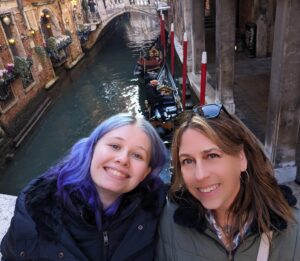
What is your role at Aging Wisdom?
What made you want to work in the field of aging? …

The ways we connect with each other contain both small moments and lasting lessons. Together we can celebrate how we build connections through different methods of communication between people living with and without Alzheimer’s dementia. Without the many unique individuals living with dementia, including the three individuals in the stories below, our appreciation for connection is less full.
This is written with gratitude to them. …
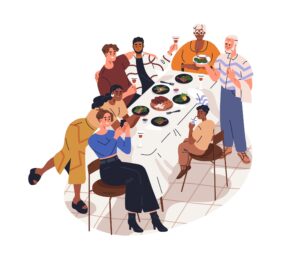
With holidays on the horizon, many of us are making plans to gather with family and friends. These gatherings often involve lively conversation, exchanging gifts, and other celebrations of the season.
Preparing our favorite foods and lots of eating are at the center of these get-togethers. Eating brings joy. Food engages all the senses, especially taste and smell. The traditional meals and treats we share have strong ties to memories of holidays past.
For someone living with Alzheimer’s disease or another form of dementia, however, all the activity, the people, and associated noise can be unsettling. Normal routines are interrupted, and this may create some discomfort and confusion. …

Multigenerational housing is a growing trend in the United States and perhaps something you’re considering. On the plus side, there’s increased time for bonding and for caring for elders or children as needed, as well as improved finances from sharing expenses. And there is peace of mind knowing you are surrounded by family. …

What is your role at Aging Wisdom?
I am the Care Manager Lead.
What made you want to work in the field of aging? …

Lifelong learning is the ongoing, voluntary, and self-motivated pursuit of knowledge and mastering skills throughout life. And it has been found to be particularly beneficial to the brain as we age.
Learning is for everybody, regardless of health status or condition. By challenging your brain and learning new things throughout your life, you can help build your cognitive reserve. …
“The right to vote is one of the most sacred privileges in a representative democracy and it should be available to all citizens, whether they are cognitively impaired or unimpaired.” ~ American Bar Association Committee on Law and Aging
November 5, 2024 is General Election Day. According to the Washington State’s Secretary of State Office, ballots were mailed out by county election offices no later than October 18 (18 days prior to election day). October 28 is the deadline to register to vote or update your address online.
Please note: you may also register and vote in person at a county voting center through election day. For information about elections in Washington State, visit the Washington State Secretary of State website page HERE. …
The Right to Vote and Cognitive Impairment (updated*)Read More »

People over age 65 exhibit a vast range of abilities both mental and physical. Unfortunately, ageism (the negative stereotyping of older adults) links advancing years with decline in a manner that disregards individual capability. From degrading birthday cards to discrimination in the workplace, 82% of older adults report experiencing ageism in their everyday life.
Most insidious is internalized ageism, when we look down on ourselves, often without realizing it. Blaming age when we can’t remember a word (“a senior moment”). Feeling flattered when we’re told “You don’t look [your age]!” Not considering an interesting activity at the senior center because we “don’t want to be around all those old people.”
It turns out such negative age beliefs can significantly reduce life expectancy. Multiple studies across many years and many cultures have shown that people with negative beliefs about aging die as many as seven and a half years earlier than those with positive age beliefs. (The studies accounted for the influences of income, education, and health status.) …
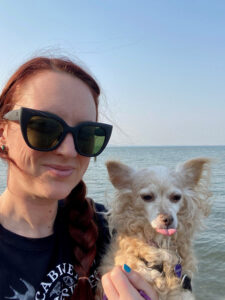
What is your role at Aging Wisdom?
Director of Creative Engagement
What made you want to work in the field of aging?
Dementia is in my family – I’ve lost two grandparents to dementia and now my mother is living with it. When my paternal grandmother died in 2007, I began volunteering with Alzheimer’s organizations. My maternal grandfather died from the disease in 2014 – the summer after my first year of graduate school where I was first introduced to the idea of “creative aging” and started volunteering with the Frye Art Museum. It married two loves for me – older adults and art. That year was full of “what if’s” thinking about my grandparents’ care and engagement. I knew we could do better as a family, community and country in taking care of older adults. …