
It’s unlikely the name Sonora Smart Dodd rings any bells, but she is credited with the founding of Father’s Day. As a result of her work, the first Father’s Day was held on June 19, 1910, in Spokane, Washington. On Father’s Day we can celebrate all dads, be they biological dads, stepdads, uncles, brothers, adopted dads, mentors, coaches, and other important people in our lives.
One of my favorite ways to celebrate and honor those who have made an impact is through story. Storytelling is considered the oldest art form. Stories invites us to share experiences, express emotions, pass along traditions and wisdom, make sense of the world, and entertain.
The popularity of gatherings like The Moth, a nonprofit organization that “celebrates the commonality and diversity of human experience through the art and craft of true, personal storytelling” and the plethora of storytelling podcasts seems to demonstrate this point.
A recent The Moth Radio Hour podcast I found particularly beautiful is this episode, the theme being Remembering Our Loved Ones Through Story. In this episode, the host reflects that “Telling stories is a way to make sure precious memories about beloved family members get passed on to future generations and cement them in our collective memories.”
Precious Memories
Storytelling and its recent resurgence in popularity got me thinking about those precious memories my parents, grandparents, and other adults in and throughout my life shared about their experiences as kids, students, newlyweds, during times of national and world strife, growing older. Each story made an impact.
My Grandpa Ed sailed in iceboats on Lake Winnebago during Wisconsin winters. My dad, his son, told me about beaches and swimming pools being closed due to a polio epidemic when he was a kid. My Grandpa George shared that during WWI he wasn’t allowed to speak German outside of his childhood home in Cincinnati. My mom, his daughter, lived in a Quonset hut home with her family in Arizona during WWII when my Grandpa George worked in a munitions factory.
Those are just a few of the many memories shared through the years. There are so many questions I never got to ask. Looking back, I wish I’d had the forethought and tools to have asked more questions and gather and record their stories.
Father’s Day is June 19. Let’s embrace it as an opportunity to begin gathering those “precious memories about beloved family members.”
Life stories are the best stories in my humble opinion. Family stories are often enduring, more entertaining, offering deeper emotional connection, appreciation, and understanding.
Great Questions 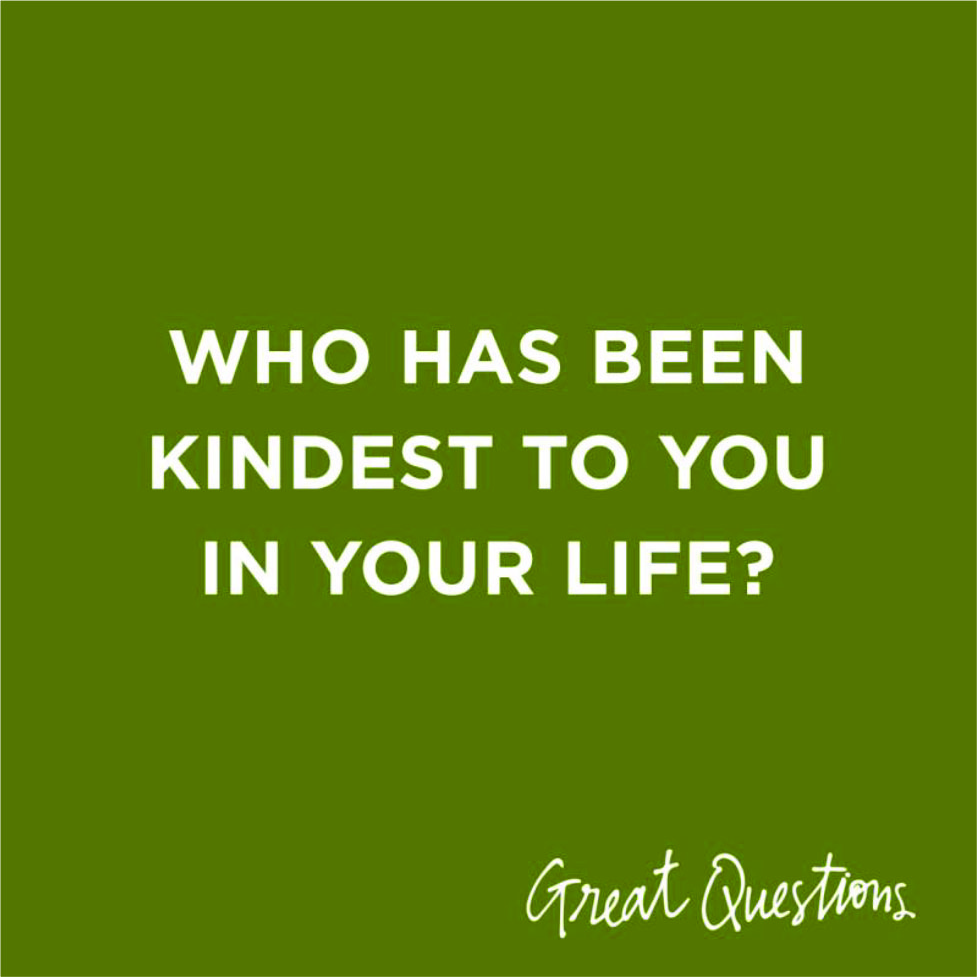
Consider starting with the Great Questions from StoryCorps. StoryCorps has encouraged and collected thousands of stories and knows what questions can get a good conversation going. Great Questions are organized into categories such as: Great Questions for Anyone, Remembering a Love One, Grandparents, Marriage & Relationships, Growing Up, Military, Family Heritage, to name a few.
Here are “Stories to Reflect on for Father’s Day” to get you started.
Beautiful Questions
Another approach I love is Beautiful Questions. Beautiful Questions was developed by Anne Basting to help create powerful connections with individuals living with dementia.
Beautiful Questions are open-ended and offer a multitude of pathways of discovery. This isn’t a way to learn a loved one’s stories, per se, but it offers a magical way to engage in conversation and create meaningful connection with a family member or friend who may be experiencing cognitive change.
Examples of Beautiful Questions would be, “What is something you treasure in your home and why?” “What is the most beautiful sound in the world? And can you make it?”
As Basting shared in an interview on Wisconsin Public Radio “It’s this thoughtful, poetic component of unlocking the world. You don’t want to have too many cognitive steps in the question but one that appeals to strength, and one that appeals to emotional memory, and that has a playful component as well.”
Family Legacy Projects 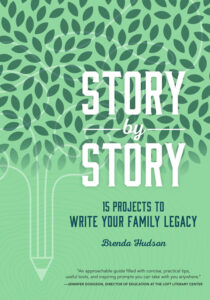
If gathering family stories as a project is of interest, you might enjoy the book Story by Story: 15 Projects to Write Your Family Legacy by Brenda
Hudson. The projects in Story by Story are a great springboard to documenting lessons learned, family sayings, pivotal moments, mementos, and family heirlooms. The projects are accessible for all ages.
I’ve been part of a small writer’s group for 15 years, and two women in the group are also genealogists. Part of the work they have been engaged in for years is gathering family stories. They’ve interviewed older members of their family to learn about others who are no longer living to understand their families’ immigration stories, family lore, and themselves.
Gathering Stories Closer to Home
In closing, I want to share a new program that kicks off next week: SHARP Seattle.
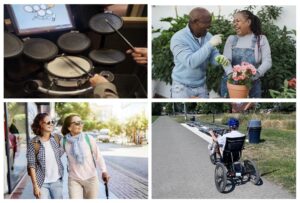
SHARP Seattle is actively recruiting for this culturally celebratory walk program, designed with the community, to improve or maintain brain health among African American adults with ties to Seattle’s Central District. Participation will include neighborhood walks involving small-group conversations about memories of living and working in the Central District. Interested walkers contact anthonyc@casrcenter.org or call 206-726-4926.
Participants may be eligible if:• At least 55 years old• African American• Living in (or have lived) in Seattle’s Central District• Experiencing (or not) mild memory loss• In good general health• Able to walk one mile
Weave Stories into Your Celebration
Whatever your plans for Father’s Day—or any future family gathering—I encourage you to weave an element of story gathering and storytelling into the mix. Get your Great or Beautiful Questions ready now in anticipation. Plan a legacy project around a family saying. Keep an eye open for details about the SHARP Seattle program. Whatever you choose, have fun and build on the power of story!
* This article first appeared in the June 2022 edition of AgeWise King County